| OCR Text |
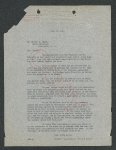
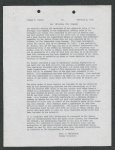
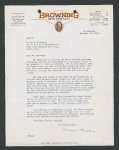
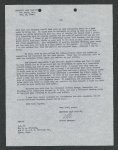
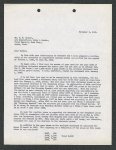
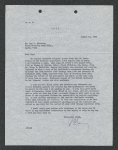
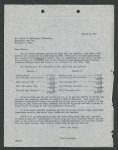
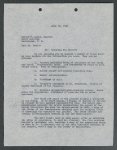
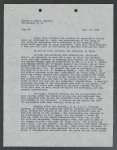
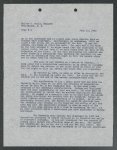
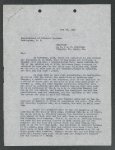
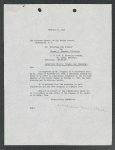
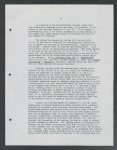
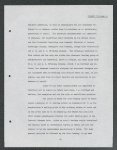
Show «a § from subsequent importations he finally ruling wes not intended to apply beyond tory stock. agreed that the sales from inven- We argued thet even if Browning Arms was treated as the taxpayer and the sale of inventory was ignored, it would still be entitled to 4 manufacturers’ market price the price at which on the theory that basis, which in this industry was facturers sold to jobbers, first, to the inventory passed to the treanssetion was not reeoenized citing end Higgins, v. Smith manutitle parent company, even if the asa a gale for tax purposes, Griffiths v. Commissioner, the sal@ on Which the tax is imposed was made by and that the parent company, end second, that following the decision in the Albrecht sase, in which the Court appeared to have treated thé sales as having been made by the parent company direet to the retail merchants or consumer, we would likewise be entitled to use as @ tex basis the price at which were s0ld to jobbers even if the sales comparable gums were made by Browning Arms Company. ir. Zimmerman expresssd some doubt as to whether he sould follow us on sither of these contentions but said he intended to sive the matter further sonsiderition. There are a number of points to settlement of the suit and this golved a at be considered in any possible question oan be finaily re- hearing. subsequent majority of sales over the Realizing thet the large subsequently imported guns, ell ware question in period entire tives concentrate representa Bureau the have to I endesvored suit period, the post the In case. the of phase upon that was the real inCompany Arms Browning that held has Bureau had apparently Bureau The taxpayer. the porter and therefor n was not transactio inventory the coneluded that because bona fide, it was reasonable to conclude that the parent company was not the real importer after June, 1932, and that all of the sales should be treated as having been made by Brwoning Company. Arms Mr. Hoyt admitted, however, thet as the tax in this instanee is imposed on the importation it could not properly be imposed on the Browning Arms Company exoept as to the guns included in the inventory transaction of dune 16, 1932. He concluded company wes the in view of the facts was the importer after taxpayer in respect to disclosed the that Mr. Hoyt then stated that esuming the parent sold to Browning Arms, such transactions were not length and the sales were made parent June 21, 1938, and, therefore, the imported guns in question. at less than the company at arms’ fair market |