| Title |
Browning Arms Company Collection, Box 003, Folder 09 |
| Creator |
Baxter, Gordon M.; Thatcher, Roy D.; Moyle, Walter G.; Browning, Marriner A.; McClintic, Thos. S.; Ellis, Douglas B.; J. M. & M. S. Browning Company; Browning, Val A., 1895-1994; Russell, John E.; Thatcher & Young, Lawyers; Browning Arms Company |
| Contributors |
Scholefield, Wells & Baxter; Thatcher & Young, Lawyers; Moyle & Wilkinson, Attorneys & Counsellors; Browning Arms Company; J. M. & M. S. Browning Company |
| Description |
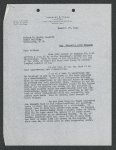
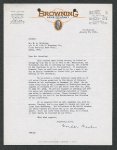
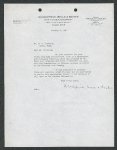
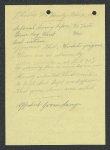
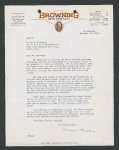
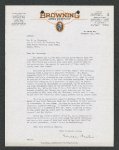
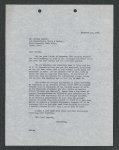
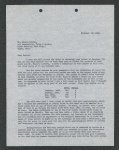
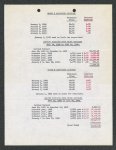
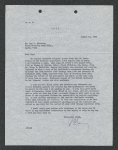
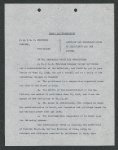
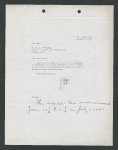
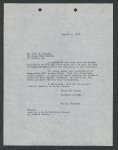
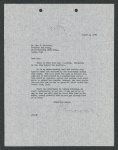
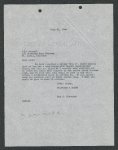
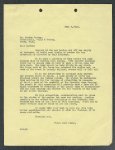
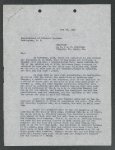
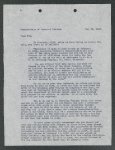
This folder contains correspondence primarily between Walter G. Moyle and Roy D. Thatcher in regards to company taxes and dealing with "jobbers" undercutting the company earnings. |
| Subject |
Firearms industry and trade--United States; Firearms industry and trade--Utah; Browning Arms Company; Business enterprises--Utah--Ogden--History; Firearms--Taxation |
| Digital Publisher |
Digitized by Special Collections & University Archives, Stewart Library, Weber State University. |
| Date Digital |
2026-02 |
| Date |
1939; 1940; 1941; 1942 |
| Medium |
correspondence; financial records; notes (documents); documents; legal records |
| Spatial Coverage |
Washington, D.C., United States; Ogden, Weber County, Utah, United States; St. Louis, Missouri, United States; Missouri, United States; Salt Lake City, Salt Lake County, Utah, United States; Bridgeport, Fairfield County, Connecticut, United States; New York City, New York, United States |
| Type |
Text |
| Conversion Specifications |
Archived TIFF images were scanned with an Epson Expression 13000XL scanner. Digital images were reformatted in Photoshop. |
| Language |
eng |
| Rights |
Materials may be used for non--profit and educational purposes; please credit Special Collections & University Archives, Stewart Library, Weber State University. For further information: http://rightsstatements.org/vocab/InC--EDU/1.0/ |
| Sponsorship/Funding |
Funding generously provided by the Val A. Browning Charitable Foundation. |
| Source |
MS492, Box 3, Folder 9, Special Collections & University Archives, Stewart Library, Weber State University. |
| Format |
application/pdf |
| ARK |
ark:/87278/s6756k3h |
| Setname |
wsu_ba |
| ID |
184293 |
| Reference URL |
https://digital.weber.edu/ark:/87278/s6756k3h |
| Title |
Page 36 |
| OCR Text |
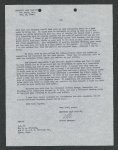
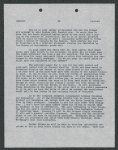
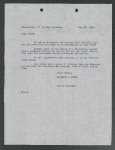
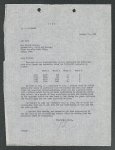
Show BrowsIne anus compan@> St @ Louis Hove | 13, Ho 85 19406 (2) December and up until 31, since 1935, that dete only transportation we have paid on freight shipments and our dealers must pay transportation on less than freight During the suit period the transportation wis a sizable item, but since lots. thet date it has been greatly reduced. I would judge that at least 65% of all guns sold are shipped in less than freight lots. The item of non-taxable perts I believe ean be discounted entirely. Before the field men started their tabulation for the originel assessment of the suit period thie question arose and I think the head of the Excise Tax Division in St. Louis hended down a rule that if parts, such as recoil pads, ivory sights, and special equipment of this nature, was attached to a gun it became a part of If these parts were sold individually not the gun and was, therefore, taxable, This reasoning hes been foliowed in attached to a gun they were not taxable. both the tabuletion for the suit period and also my work sheets covering the post-suit period. eompany I believewe are safe in maintaining thet Browning is the only arms It seems to be standard throughout the selling direot to the dealer. The original industry with our exception to merchandise guns through jobbers. change seems this about bring to taken steps different the and reason for changing to tie in very nicely with the fact thet some guns were sold et a retail price. As I remember it, back in 1929 and 1950 when the change was contempleted there I believe that the tariff had been were a number of reasons for this change. quite a problem up to thet time, and that 1% was thought by eliminating the jobber and thus ineressing our mergin, even though we sold less guns, we would be in a better position in ease of an increase in the teriff or a possible reduction in prices by: our competitors In 1931 we which have been could the under disastrous jobber Another reason I believe was thet Mr. Russell and Mr. Launch felt that set up, we could sueocessfully merchandise our guns through the dealer or possibly direct in the last few years Although this idea has proved successful to the consumer. under our price maintenance plain I believe thet the price maintenance plan was an outgrowth to the direct to dealer--consumer plen rather than a part of the original idea. | not end eliminate 1931 it was of increased and the sold our cuns but gave him only evidently the dealers discount sales for 1932 the in 1952 we the and this idea did not work, to 20%. This discount was carried in 1936 we increased the discount discount to 30% which has been in retail We At to thet found are higher did consumer. 10% off the reteil. direct and entirely advertised dealer the through 1956, In 1937 we again increased again te 25%. It may be that if the effect ever since. in proportion to the total than in recent years Since 1952 we to consumer program in 1931. it wes an outgrowth of the dirset to some dealer, retail et heve tried to pass the commission on gune we sell direct so that dealer his of name the If an individuel orders a gun direct we ask him replies receive not do we cases Im some we may give thet dealer his commission. the retain we and done is to these requests and in such cases nothing further full retail price. from some fact As stated above, there probably were a number of reasons why we changed in my opinion, way of merchandising guns through the jobber. the accepted of these reasons would not help us in the present case, but I believe the the that we are the only lerge importer of guns in the United States and |
| Format |
application/pdf |
| Setname |
wsu_ba |
| ID |
184329 |
| Reference URL |
https://digital.weber.edu/ark:/87278/s6756k3h/184329 |