| OCR Text |
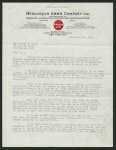
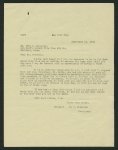
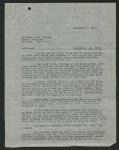
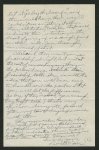
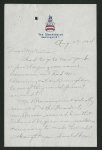
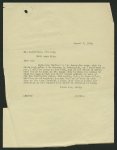
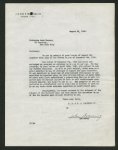
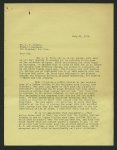
Show Your Pile: IT:B:SM-IG-AG002 Commissioner of Internal Treasury Department, Washington, 2D. C. Revenue, Gapital, In further support exempt from income of our reavest for and profits taxes, of part of oreciation that it may be desired to the J. M. and MW. Browning date of acquisition Jan- uary £, 1915, of its license sgreements, mation is submitted for consideration. the following infor- that Company for any other the capital of represented by term the return of oy way of de- the value at 5. use), These license agreements were given to the Browning Company in the same way as were other assets, such as stocks, bonds, etc., and therefore in accordance with rulings of the Treasury Devartment, undoubtedly represent capital to the com pany in the amount of their fair market value at the date of acauisition by the company. See Article 1562, Regulstions 45. (1918 Act) and Section covering 1921 Act. See o491, June 16, i192. 202 also {a) Article (2) 1921 251 as Aet and amended Regulations by T.D. The accepted principle of law is that property acquired fro. donors or decedents is capital in the hands of the recipients, and that under the Sixteenth Amendment to the Federal Constitution, no.income tax can be imposed thereon. This principle was adopted in the i915, 1916, i917, 1916 Federal Income Tax Laws, some If these purchaser licenses (and had as a matter been sold in of principle 1917 the or 1918 machine to gun license deal. with the War Department amounted to a sale of the more valuable part of that. license), the profit or loss on the sale would have been determined by the Treasury PDepartment (under the Law and Reguiations) on the basis of the difference between the sale price and the value of the licenses at date of acouisition. The value at date of acquisition would be considered as the originel capital, and, therefore, exempt from the income and profits taxes. The same principle is involved when the licenses are sold providing for a yearly payment, which is the royalties to be paid, as |