| OCR Text |
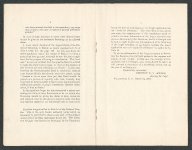
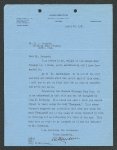
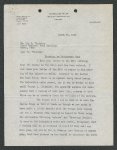
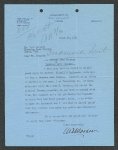
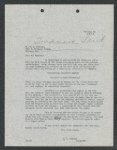
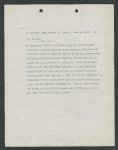
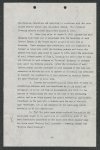
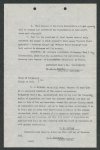
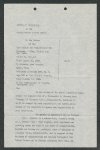
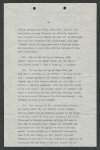
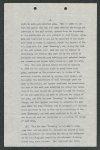
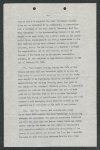
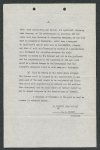
Show 4 5 who have entered the field in the meantime, any more than it does in the case of reissues of patents previously granted.” but at the time of such disclosure the Luger application was not ‘ready for allowance.” The very claim, in fact, which In view of these decisions it seems clear that the issue cannot be given to the contestant Browning as an allowed claim. A more recent decision of the Appeal Court of the District of Columbia is Miehle vs. Read, reported in O. G. of July 9, 1901, Vol. 96, page 426. In this case Read, the senior applicant, copied the claims of Miehle, to whom a patent had been granted, although he was the junior applicant, for the purpose of having an interference. The Court said ‘‘ we are not satisfied that the appellee Read is entitled jected at the time information of the Luger invention was given to Browning by the Examiner, and it is thought that he had no right to give any information at all to Browning to make the claim here in issue, in view of the decision of this Court in the case of Bechman vs. Wood.” In this case, however, the Court permitted Read to receive the claim at issue because Miehle had already received a patent, saying ‘it seems to be no more than just that Read should be placed on a position of equality with him, whereby they may both be better enabled to test in some appropriate proceeding the question of actual interference between themselves, if they so desire.” As the appellant Luger has not yet received a patent containing the claim at issue there seems to be no reason why Browning should be given the claim at issue, unless the said claim at issue be also given to Luger in order that they may test this matter by an interference suit in some court. Attention is again called to Rule 96 of the Rules of Practice. This is the only known authority under which an Examiner is permitted to disclose any part of the subjectmatter of any pending application to any one. This invention of Luger was disclosed to Browning by the Examiner, was made the subject-matter of this interference of the Luger invention or application, because stood the re- Luger application was not “ ready for allowance ” as called for by Rule 96. By giving information of the Luger invention to Browning, the Examiner has put both parties to the expense and trouble of this contest. In this case the damage is irre- mediable, but it is thought such action should be taken as will prevent a recurrence of a proceeding of this sort on the part of an Examiner. Respectfully submitted, HERBERT W. T. JENNER, Wasuinaton, Attorney for Luger. D. C., October 24, 1901. |