| OCR Text |
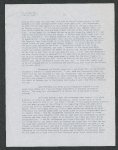
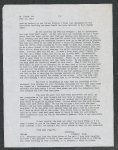
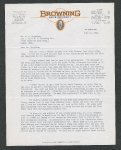
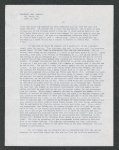
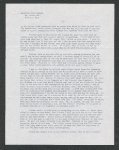
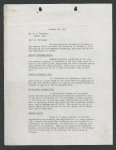
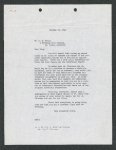
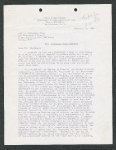
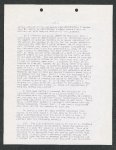
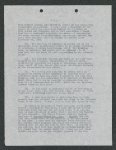
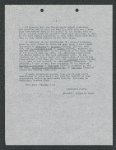
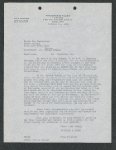
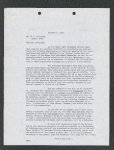
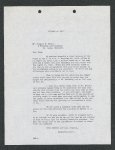
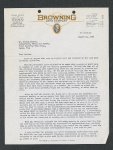
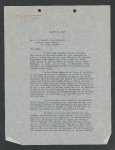
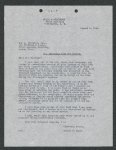
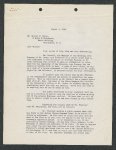
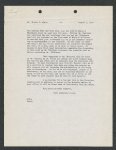
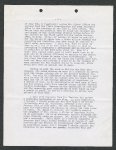
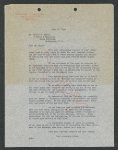
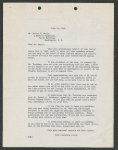
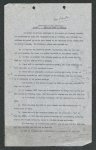
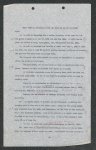
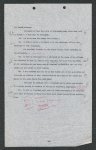
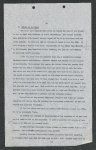
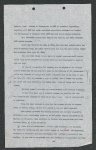
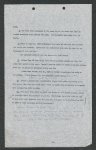
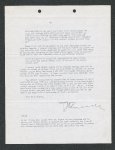
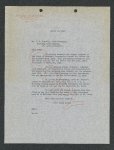
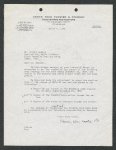
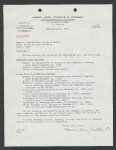
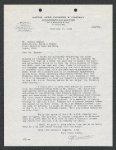
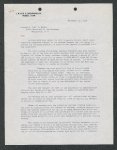
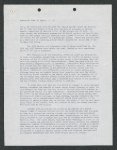
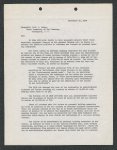
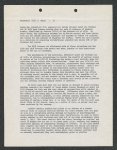
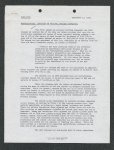
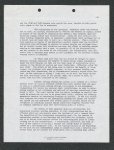
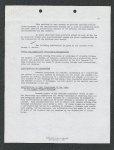
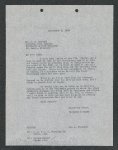
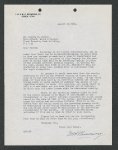
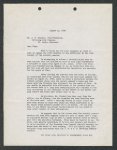
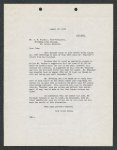
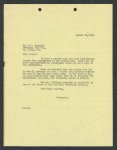
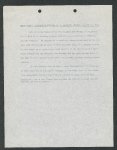
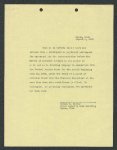
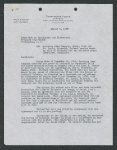
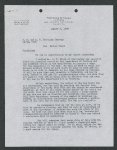
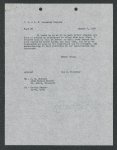
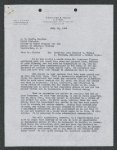
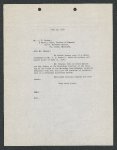
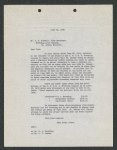
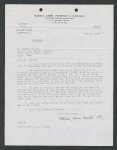
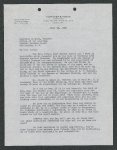
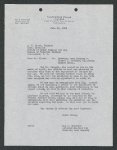
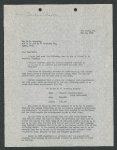
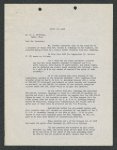
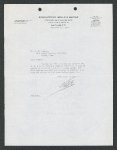
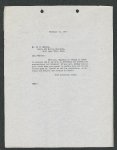
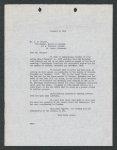
Show ois and the 1938 and 1939 the same, insofar as this Act 1936, The elimination of the provision, effective under of allowing corporations to receive the benefit of of the coming is remain of in excess porations law Acts phase of the Revenue cular parti- concerned. $2,000.00 limitation has worked a real within this classification. Since the the Revenue capital losses hardship upon year 1934 all corper- sonal holding a result have companies have, of necessity, distributed their earnings and as not been able to build up a Surplus account. When a corpora- tion an excess sustains of non-deductible capital losses over the $2,000.00 limitation this difference is applied to reduce surplus and although there may be taxable income this reduction can have the effect of reducing earned surplus to the extent that a part, or possibly all of the dividends paid, are not taxable in the hands of the recipients, the stockholders, with the result that a dividend paid credit is not allowable and the personal holding company surtax is assessed. It would seem fair that the law should be changed to allow personal holding companies the benefit of these excess losses inasmuch as under the 1939 Revenue Act they are the only class of corporations still subject to the $2,000.00 capital net loss year 1939). The effect of not being able limitation. (Bffective after the to receive the benefit of these losses, for dividend paid credit purposes, is that personal holding companies may find themselves, due to circumstances entirely beyond their control, in the position of paying a large tax, or in fact, the whole of the tax paid upon their Title 1A net income, when, as a matter of fact, an actual loss has been sustained by the company. Another serious problem has arisen as an outcome of a recent Circuit Court of Appeals decision wherein the court decided that the gain or loss to a corporation arising through non-taxable or non-recognized transactions for income tax purposes must, nevertheless, be used in determining whether or not dividends are paid out of earnings accumulated since March 1, 19135. The court decided that the words “earnings or profits" are words in common use and are to be given their plain, ordinary and commonly understood meaning in considering earnings or profits. It was also stated that Congress was aware of the distinction between net income and taxable net income and the provision that certain gains or profits should not be recognized in computing taxable income shows that Congress realized that as commonly understood they were nevertheless gains or profits. The effect of this decision upon all corporations, but especially personal holding companies, is that reorganizations may be effected which are non-taxable under the Revenue Act and a company hold-~ ing securities in the reorganized corporation must, for the purpose of determining whether or not earnings are available for dividends, either add to or deduct from surplus account the non-recognized gains or losses arising out of the transactions. A corporation, therefore, may find itself in the position of having a taxable net income which is entirely offset by a non-recognized loss. If the surplus account at the beginning of the year was not sufficiently large to absorb this loss a dividend paid credit would not be allowed the corporation with a resulting high surtax. SCHOLEFIELD,WELLS CERTIFIED PUBLIC & BAXTER ACCOUNTANTS |