| OCR Text |
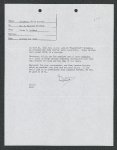
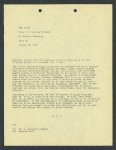
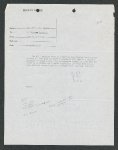
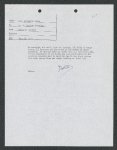
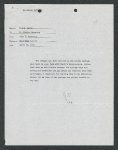
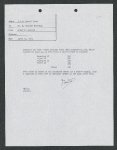
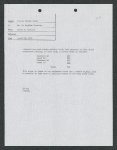
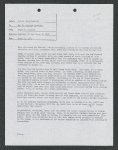
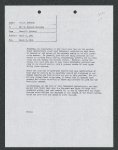
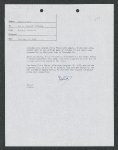
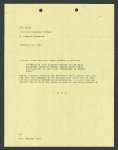
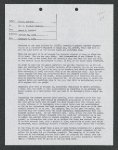
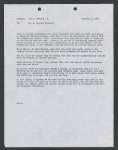
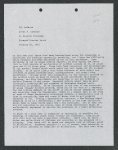
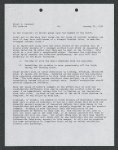
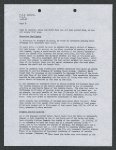
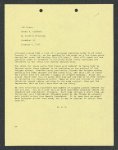
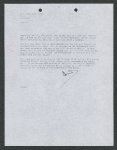
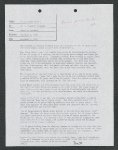
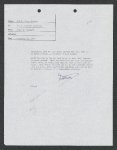
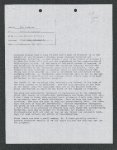
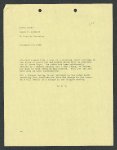
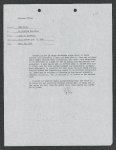
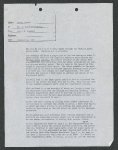
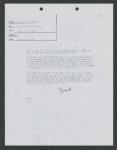
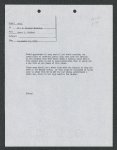
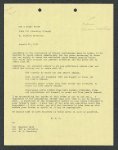
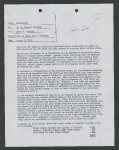
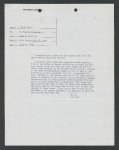
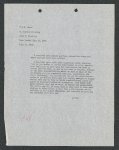
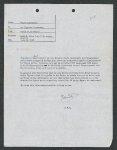
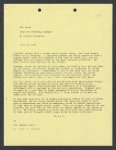
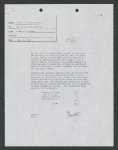
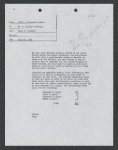
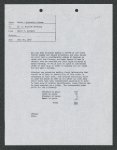
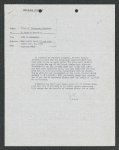
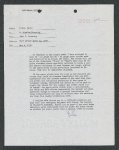
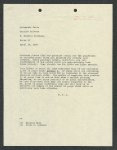
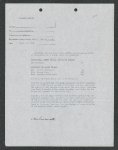
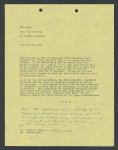
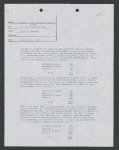
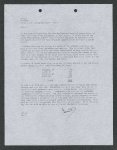
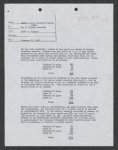
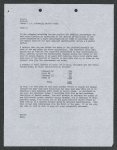
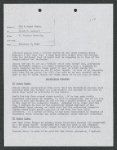
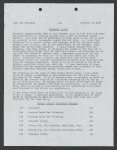
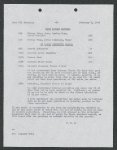
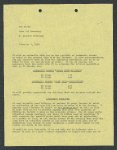
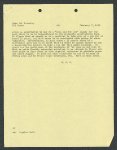
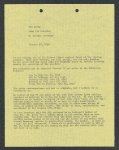
Show EiN., Defects. M.B.B. 1-12-51 Page 2. used to receive, where not supply this type. Head Space Excessive the front face had not been ground 1. According to Jessop's findings, he breakage with excessive head space. To begin ing head the with, it might be well space. Our method, as chamber, laying tends to correlate locking a scale across the surface the scale, The shop considers states that face of the Jessop is measuring the lost locking block and the barrel between the shell and There possibly is some can block to explain the shop's method of measur— you know, consists of seating a shell in of the barrel where the breech bolt contacts the barrel extension, and feeler gauge to measure the distance between the head of measures down,we extension then using a the shell and .005 of an inch proper head space. motion between extension plus the the Harry locking surhead space the breech bolt. correlation it and the breakage between of locking excessive block head guides. space However, as Jessop Harry feels that the breakage is due primarily to improper fitting of the front and rear face of the block with the breech bolt. This excessive tolerance results in the guide absorbing all the shock of firing when most of this shock should be absorbed by the face of the bolt. 2. Any increase in tolerance foundby Jessop between the locking block and the locking surface of the barrel extension would be due to excessive grinding on applicable faces of the locking block. The shop has noted no difference in fitting of barrels today as compared to two years ago, As an example, the shop recalls of about one-fifth had face. They have noted of the last 50 barrels fit the usual number to be dressed at the barrel extension locking no excessive tolerances at this point. Harry recalls the occurrance of minimum head they rarely run into barrel fits where there It is more common now to find cases inch, measuredby shop methods. Stamped Carrier space after the is a minimum of of head space from .005 war. head to sur-— Today space. .009 of an Latches As to the stamped carrier latch, Harry feels that the latch is improperly shaped -— that stealing is due to the front end of the latch not being bent slightly further towards the inside of the receiver. In fitting, if it is necessary to bend the front end of a stamped carrier latch -~ later, due to the tension and stress of bending, the stamped part has a tendencyto straighten out -—- which results in stealing shells again. Of course, when the old milled part was fit, any necessary bending stayed. There is no indication of increased incidence of breakage of carrier Jatch gerews. ; However ‘we have found the holes worn oval-shaped in the |