| OCR Text |
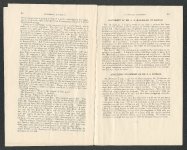
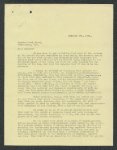
Show SRT MCI : . on See 3? ete bw Wey andere <ieimition of the fex since cultural products are sold for consumption ther process of manufacture. Any tax to ~ =~ 1 < PY bes practically no agrior use without fur- be imposed would apply only to the article in its finished state, such as cotton in cotton goods or clothing, potatoes in starch, wheat in flour or bread, ete. The bill provides for certain other exemptions such as sales by public utilities, States, hospitals, the United States. foreign governments, Army and Navy commissaries and canteens, and charitable, religious, and scientific organizations. The amendments also exempt sales for export. Whenever a sales tax has been proposed the oppenents, who have their own particular reasons for opposing, have raised a regular series of. objections which are popularly described as Sales-tax ghosts, every one of which has been fully discredited. It is quite common for the first objection to be that the proposal will not raise the necessary revenue. Then, when it has been conclusively proved that more than sufficient revenue will be raised, the objection is submitted that the proposal will raise too much revenue and greatly encourage the Government to extravagance. That objection is immediately met by suggesting that the rate be reduced. Then jumps up the objection that even though it will raise the revenue the measitrre can not be administered. Upon proof that it ean be administered the objection is made that it will be an unpopular measure. When this objection is disposed of by showing the spontaneous approval of the measure by practically every newspaper in-:the country and thousands of letters from individuals in all walks of life and from the manufacturers themselves who, in many cases, Will bear a greater tax than under the measure proposed. to be repealed, then the usual sequence of objections is started all over again and continue within -an argumentative circle, or else some new ghost is phantomed up from the everready imagination and as readily disposed of. The fact of the matter is that there is no real, fundamental objection to a sales tax. It is bound to come. Under the present law we have raised during the fiscal year just passed close to one billion dollars through various forms of sales taxes and special taxes which have been passed on to the consumer, of Which about $200,000,000 has been upon sales by manufacturers. In other words, we have collected during the fiscal year just passed under a manufacturers sales tax an amount of money greater than was obtained in the year 1916 througii the income tax on corporations. So, when the objection is raised that the proposed amendment is impracticable and can not be administered, it would hardly seem necessary to do more than to point to the experience under the existing laws. The department has had the experience under the present excise taxes for almost three years, and through its cooperation with representatives from the various businesses taxed has evolved workable regulations which have proved satisfactory both to the department and to the taxpayers. It is a further fact that the excise taxeS being collected under the present law have been audited practically to date, while the same corporations have been waiting for three years and over to find out what their #917 income and excess-profits taxes really are, and they will continue to wait for an indefinite period. { would not suggest a form of taxation having as its predominating feature simplicity if I was not convinced that there would be no administrative difficulties which would add complications-in-excess of those under existing law. Many inquiries have been made as to the application of the tax to. the sale of specific articles. I have been asked how it could be administered, for exalple, in the case of the Sale of ribbon or millinery material by a manufacturer to a; jobber where the jobber might sell part to a retailer of ribbon and millinery material for use by the consumer in making a hat; or ins case where the same jobber might sell the material to a department store which might use the material in ‘its own millinery department for the manufacturing of hats and might sell part of the material) over the counter to the con-sumer. Another inquiry: has had reference to a wholesaler who purchases sugar from a vefinery and later sells part of the sugar to a candy manufacturer and part to a wholesale srocer or retailer. In probably nine hundred and ninety-nine out of one thousand cases the manufacturer will know at the time of sale whether the article is sold for consumption or use without further process of manufacture, or will be resold for further manufacture. These phantoms are really exceptional cases, but so far as any Administrative difficulties are concerned, we have merely to turn to the experience under our present excise taxes and also to that under the administration of the Canadian law. Section 900 of Title IX of the reyenue act of 1918 provides for a5 per cent tax on tires, tubes, parts, and accessories when sold to any person other than a manufacturer or producer of automobile trucks, automobile wagons, other automobiles and motor cycles. article, 14, issued by the Treasury vided for the situation covered by And Regulations Departttient the law. have No. 47, fully pro- |