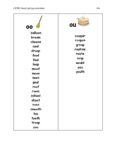
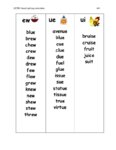
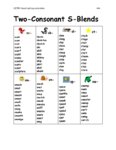
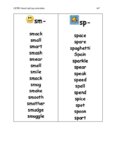
| OCR Text |
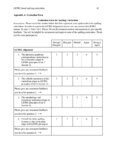
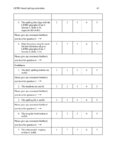
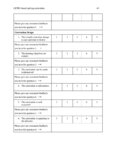
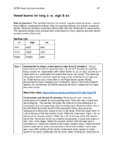
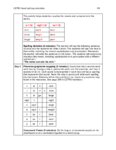
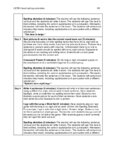
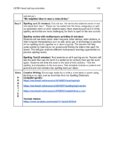
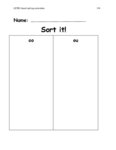
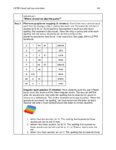
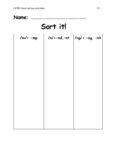
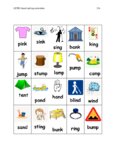
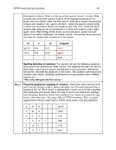
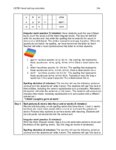
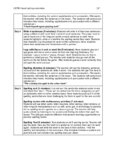
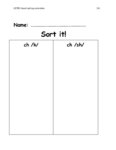
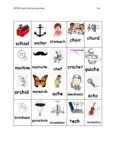
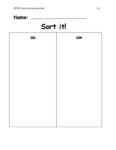
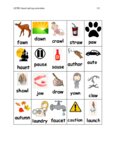
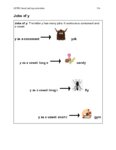
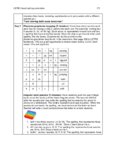
Show LETRS based spelling curriculum 30 3. Develop a daily irregular word practice routine and template tool using multisensory techniques with the weekly spelling list. Suggestions come from Unit 3: Session 6, Unit 4: Session 5 (Moats & Tolman, 2019). 4. Create a routine to promote orthographic mapping and provide a template tool for teachers to use for word study. This mapping tool may include some of the following elements: phonic lessons, say/read the word, draw a picture of the word, mark the syllables of words, count phonemes with manipulatives, write corresponding graphemes, and break down meaningful parts (morphemes). Occasionally it will include an etymology element on the morpheme section. Language of origin has noteworthy value even for K-3rd grade. Examples will be available for each spelling list utilizing the orthographic mapping techniques. These orthographic mapping technique suggestions come from Unit 4 (Moats & Tolman, 2019). Unit 4 of LETRS recommends that students also recognize other word structures such as syllables and meaningful parts to the letters in words (graphemes). 5. The curriculum meets Utah core standards for 2nd grade spelling. 6. Improve and revise curriculum after experts evaluate the curriculum and give feedback. Evaluation The spelling curriculum was given to three educators in a local school district to review and give feedback. The evaluators were a second-grade teacher, a K-3 reading coach, and a K-3 special educator. All three educators are experts in the field of reading, writing and spelling in the primary grades. These three educators have different teaching roles therefore provided a variety of perspectives. |