| Title |
Browning Arms Company Collection, Box 010, Folder 08 |
| Creator |
Browning, John Val; Browning, Val A., 1895-1994; Browning, Ann; Browning, Carol Dean; Browning, Bruce W.; Browning, Judy; Williams, Harmon G.; Goesset, C.; DuFrasne, L.; Browning, Marriner Bigelow; Hoffschmidt, Edward J.; Schroeder, C. Edouard; Stephenson, W. S.; Dejace, P. |
| Description |
Exchanges, primarily between John Val Browning and Val Allen Browning. Includes correspondence regarding Belgian production as well as business strategy. |
| Subject |
Firearms industry and trade--United States; Firearms industry and trade--Utah; Browning Arms Company; Business enterprises--Utah--Ogden--History |
| Digital Publisher |
Digitized by Special Collections & University Archives, Stewart Library, Weber State University. |
| Date Digital |
2026-05 |
| Date |
1954 |
| Medium |
correspondence; documents; ephemera |
| Spatial Coverage |
Liege, Wallonia, Belgium; Herstal, Liege, Wallonia, Belgium; Seraing, Liege, Wallonia, Belgium; New York City, New York, United States; New Haven, New Haven County, Connecticut, United States |
| Type |
Text; Image/StillImage |
| Conversion Specifications |
Archived TIFF images were scanned with an Epson Expression 13000XL scanner. Digital images were reformatted in Photoshop. |
| Language |
eng; fra |
| Rights |
Materials may be used for non-profit and educational purposes; please credit Special Collections & University Archives, Stewart Library, Weber State University. For further information:  |
| Sponsorship/Funding |
Funding generously provided by the Val A. Browning Charitable Foundation. |
| Source |
Browning Arms Company Collection, MS492, Box 10, Folder 8, Special Collections & University Archives, Stewart Library, Weber State University. |
| Format |
application/pdf |
| ARK |
ark:/87278/s65tj323 |
| Setname |
wsu_ba |
| ID |
187580 |
| Reference URL |
https://digital.weber.edu/ark:/87278/s65tj323 |
| Title |
Page 231 |
| OCR Text |
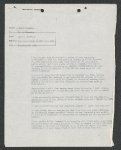
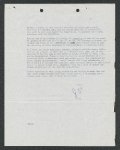
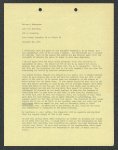
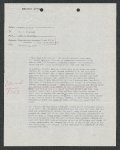
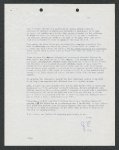
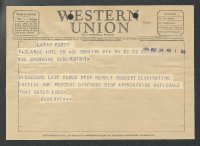
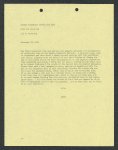
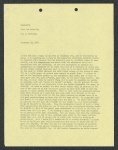
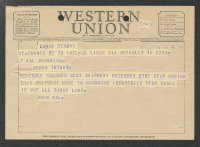
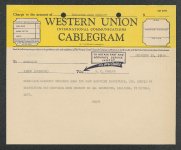
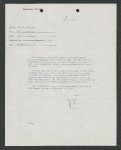
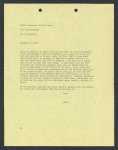
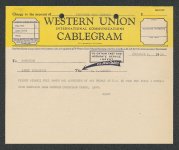
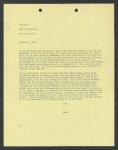
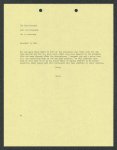
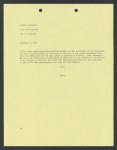
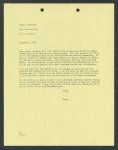
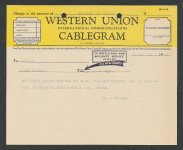
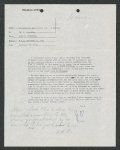
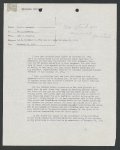
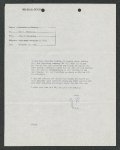
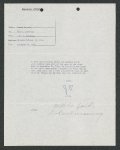
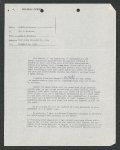
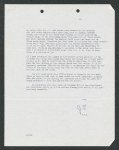
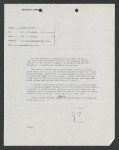
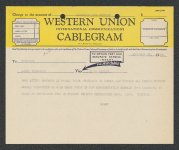
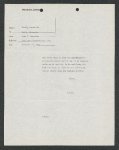
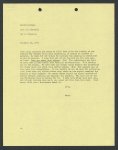
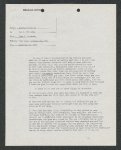
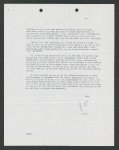
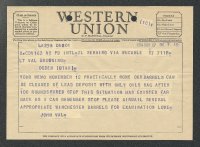
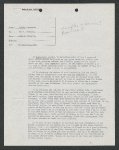
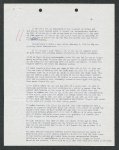
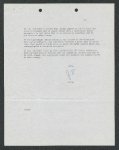
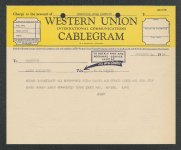
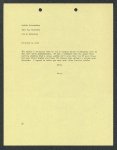
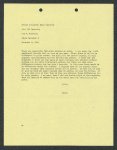
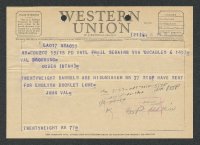
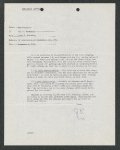
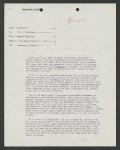
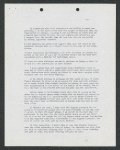
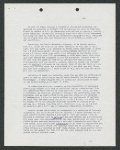
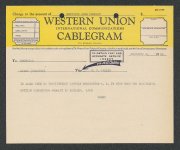
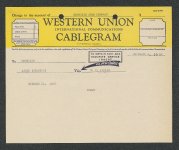
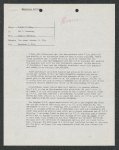
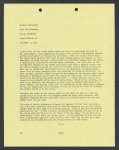
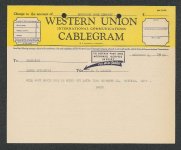
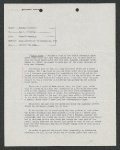
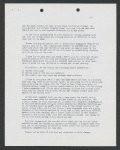
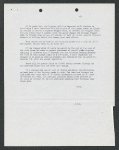
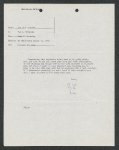
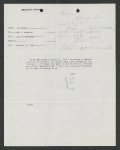
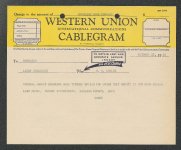
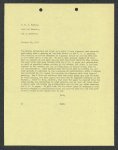
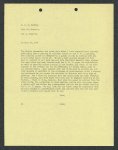
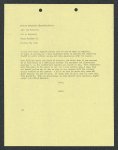
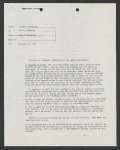
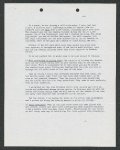
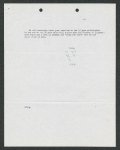
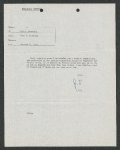
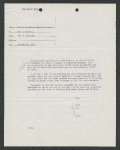
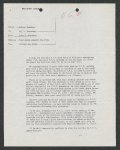
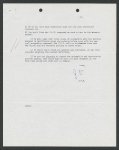
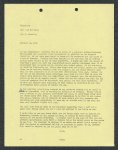
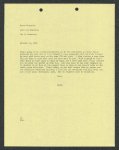
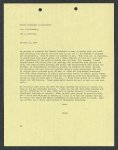
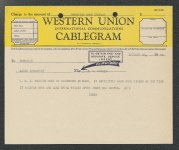
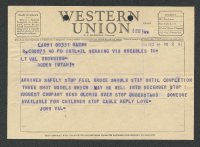
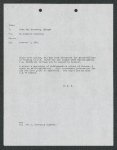
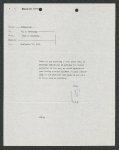
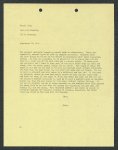
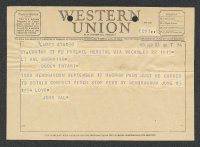
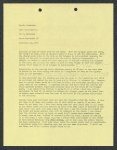
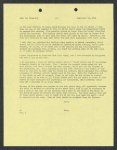
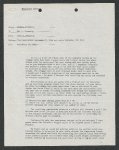
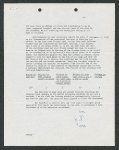
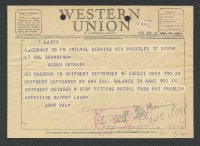
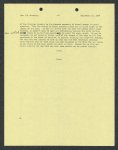
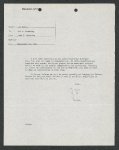
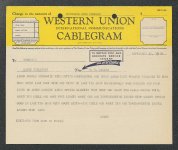
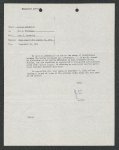
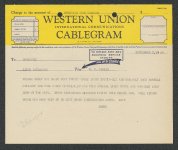
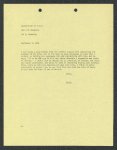
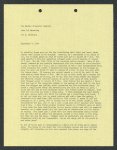
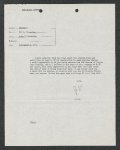
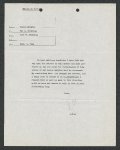
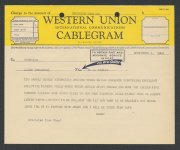
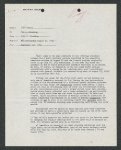
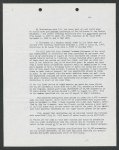
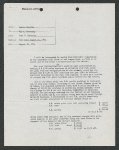
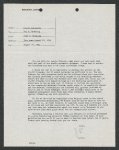
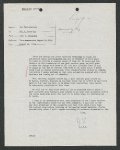
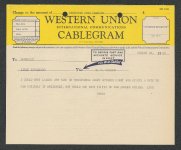
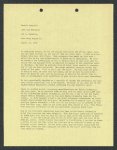
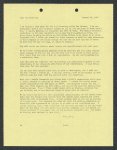
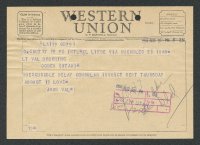
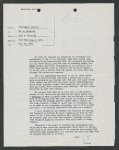
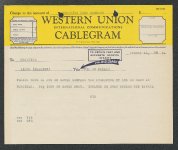
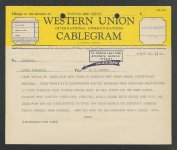
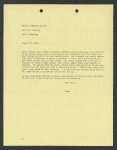
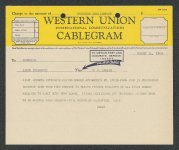
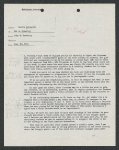
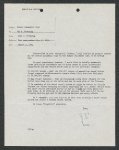
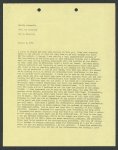
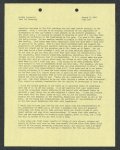
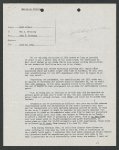
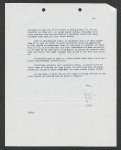
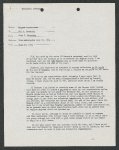
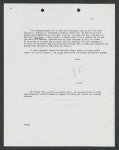
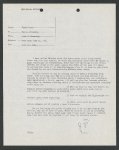
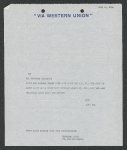
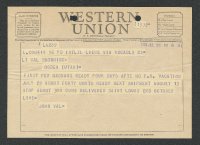
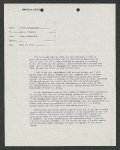
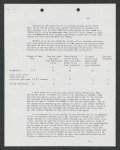
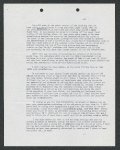
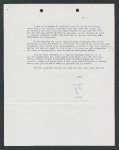
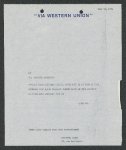
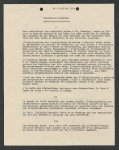
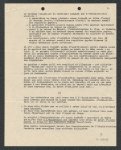
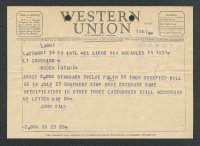
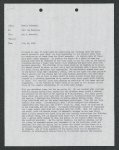
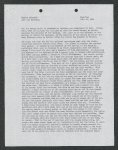
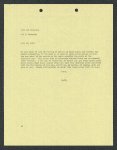
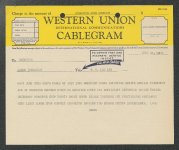
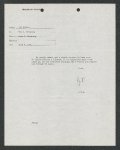
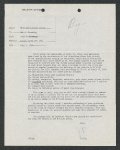
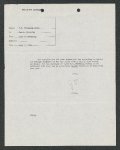
Show Subject Double Automatic To John Val From Val A. Browning Browning Reference Date July 14, 1954 Enclosed is copy of cable sent you concerning our findings with the three Double Automatic guns which you send supposedly in the natural state from the machines or at least from the final assembly. As stated, none of these guns would eject properly. By putting the muzzle on a piece of wood and pushing down with my shoulder on the butt stock to get the feel of the barrel retarding device, I could tell before ever shooting the guns they would not function properly. The friction rings would cinch up so tightly as to block the barrel recoil at about an inch and a half of movement with a quick thrust. The first firing confirmed this impression. An examination showed that none One of the tubes had been polished of the bronze rings were especially rough. like a mirror, but the others had not been touched apparently and were ordi-~ narily good. All we have to worry about is sharp annular lines such as are created by a grinding operation or by medium rough emery paper while turning in lathe. The ordinary lines from drawing or extrusion of the tubes are not disastrous. If the surface of these tubes is as good as the surface on the tubes of the regular automatics, it is quite good enough. We had trouble with ejection This you doubtless know, but let me review it. with the single bronze ring, especially the aluminum ones, until I reduced the diameter of the wire of the springs to 4 millimeters. The first prototypes which you sent over here from the machines functioned well but kicked too hard so I improved the friction by making double bronze rings. These rings functioned well on the above mentioned prototypes. Then you ran into trouble over there. (Incidentally, when I first designed and conducted experiments with this gun, the 2-3/4 ~ 1-1/8 oz. load, which we find now to be the lightest, did not exist). It became immediately evident on examining the 3 most recent guns that the springs were too stiff. When the spring is too stiff, with the double rings, it naturally cinches up the rear ring, which in turn retards the front ring and very greatly accentuates the friction. Now another thing, let us suppose that there were no friction whatsoever only a spring stiff enough to stop the motion of the barrel before hitting the receiver shoulder. As the barrel recoils, the spring receives all of its energy of rearward motion and transmits it to the receiver, stock and shoulder, but then the spring has to return the barrel so that there is a continued energetic force rearwardly on the shoulder even after the barrel is stopped. All of this reaction of the spring which can be absorbed by friction is advantageous because there is no reaction against the shoulder |
| Format |
application/pdf |
| Setname |
wsu_ba |
| ID |
187811 |
| Reference URL |
https://digital.weber.edu/ark:/87278/s65tj323/187811 |