| OCR Text |
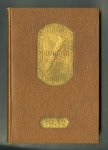
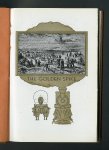
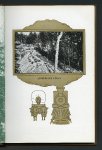
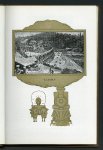
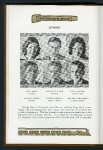
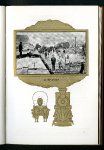
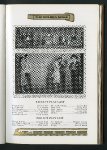
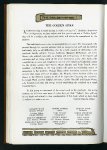
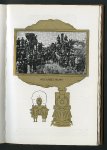
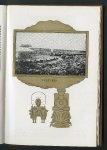
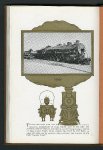
Show STORY OF THE GOLDEN SPIKE ()S January 8. 1863, at Sacramento, California, ground was broken by the Cen- tral Pacific Railroad for the beginning of what was for years the longest track in the world—from the Atlantic to the Pacific. Eleven months later on Decem- ber 2 at Omaha, Nebraska, 1776 miles away, the Union Pacific broke ground on the eastern extremity of what was to be the first transcontinental railroad. The story is a romantic one. Indians tore up the track at unguarded points, and sometimes attacked the workmen. There was much hard fighting, and many laborers knife fell victims of the scalping or the torture stake. The Chinese “coolies”, working the pick and shovel, one-horse dump carts, and black powder, carved a way through the granite walls of the Sierra Nevada fornia. mountains in Calli- The Irish laborers, working for the Union Pacific, had to throw forward their work and supplies across seven hundred miles of the Great American Desert. William F. Cody won his name of “Buffalo Bill” by killing nearly five thousand buffaloes in a year and Pacific. Competition a half to supply was intense when meat for the workmen nearing the finish; of the Union at this time the Central Pacific won a $10,000 bet by laying ten miles of track in a single working day, a record which has never been equaled. When the connecting rail was laid at Promentory, Utah, on May 10, 1869, California presented a tie of laurel and a spike of gold, which welded together the East and the West by “a band of steel that would never be broken.” “O00. OU YOO UO DU UU ~ OO OU YOO OO TOU MAAS OG |