| OCR Text |
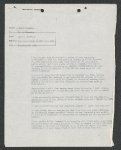
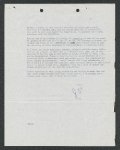
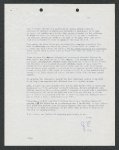
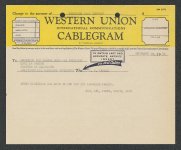
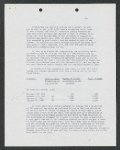
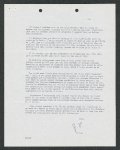
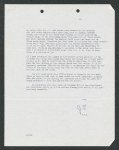
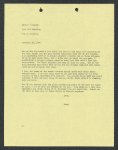
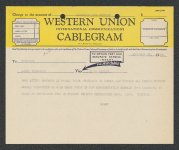
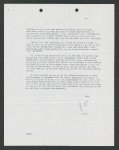
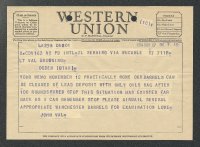
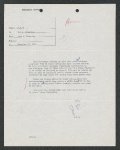
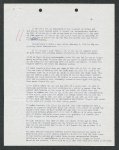
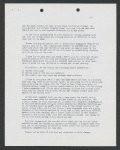
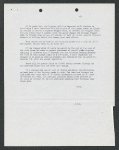
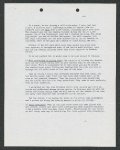
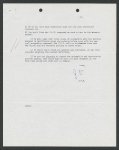
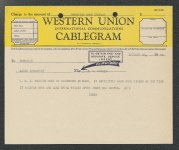
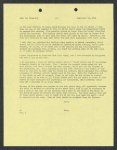
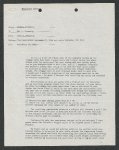
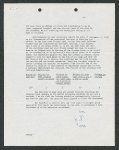
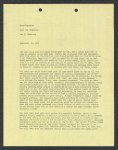
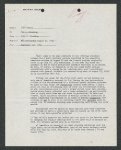
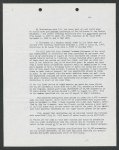
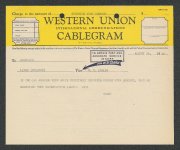
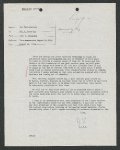
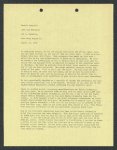
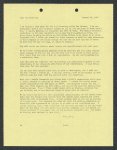
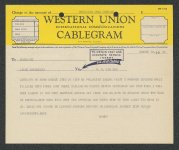
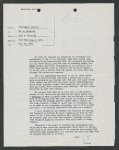
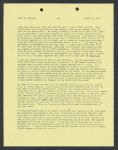
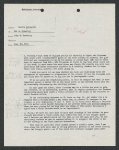
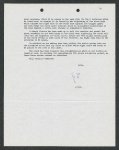
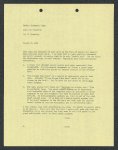
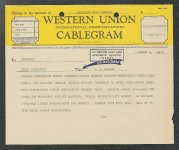
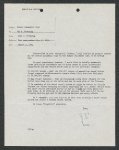
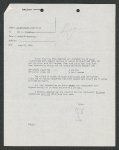
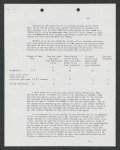
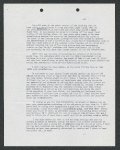
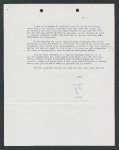
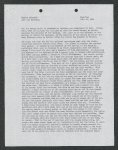
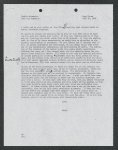
Show Double Automatic John Val Browning Page July Two 14, 1954 Therefor the energy which is absorbed by friction and dissipated in heat. fore, when we increase the friction as with the double rings, we should Our limit as to the strength of the decrease the strength of the springs. capacity of the spring to return the the is weakness, its rather or spring, barrel has knocked it forward. the after battery to piece friction rear You might ask then why did the original prototypes work with the double The answer is simple: the springs rings here and give trouble over there. the springs in the original of diameter the In measuring were weaker. experiments with the double first my in prototypes which gave no trouble In measuring 3.98 millimeters. of diameter a rings, I find that the wire had millimeters. 4.013 showed it guns, the diameter of the springs of the 3 recent springs recent The millimeters, The first springs showéd a length of 179.45 put guns, recent 3 the So I took the springs from showed 180.4 millimeters. the on tension on a bolt with a nut which would screw down and give some spring, and heated them in an oven at 500 F. for two hours, and the springs Then each of the 3 guns ejected without failure. set to 176.83 millimeters. I could push down with my shoulder as above outlined and pretty nearly be With certain that they would function because they did not grip solidly. certain light loads the direction of the ejection was not good so we cut back two of the three receivers two full millimeters and the third one three of direction This improved the ejection so far as regularity millimeters. them with of one each and guns, the to else nothing did We concerned. was time. every spot same the almost in shell empty the all loads tosses out I have fired one thousand rounds since cabling you with 100% performance. The receiver cut back three millimeters is p erhaps a little better than Naturally, it shows a little more space between the rear the other two. To go of the breech block and receiver, but this is not too disagreeable. barrel inch further, I again heated one of the springs which was on the 30 This gun then still gun and reduced its length to 175.3 millimeters. functioned very well, and the barrel extension just barely hit the receiver We then washed all of the recoil with the tube smeared with light oil. parts in kerosene and blew them dry with air so as to remove all of the oil. The gun functioned perfectly with heavy loads and did not fail with light Therefore, loads, but the ejection with light loads was better with oil. I draw these conclusions: the spring should be weak enough so that the gun functions well with light loads with oil on the tube and rings and spring. The spring should be strong enough so that when the barrel in its return hits the barrel stop and slides the rear friction piece forwardly, the spring will have enough force to return this piece back against the receiver. When the gun will do that, you can let the heavy loads take care of themselves. If the extension hits the receiver with heavy loads with oil on the tube, it is normal. That is the way it operated with the single bronze ring, but people who shoot heavy loads may be instructed to not oil the tubes, in which case the double rings will gradually operate to nearly always prevent the If light loads are used, a few drops extension from hitting the receiver. 1 might add of oil every couple of thousand rounds is usually sufficient. with all of the parts dry there were no failures with the lightest loads. |