| OCR Text |
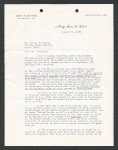
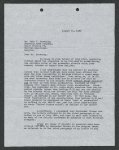
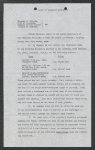
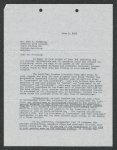
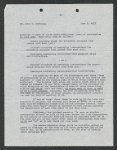
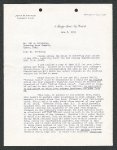
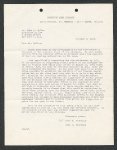
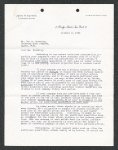
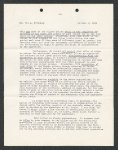
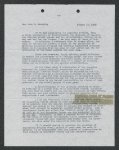
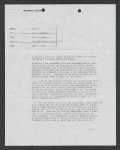
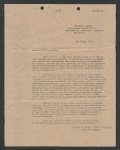
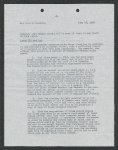
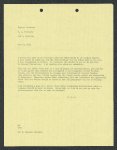
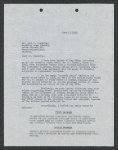
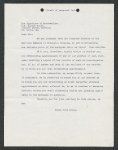
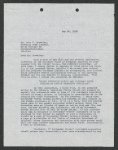
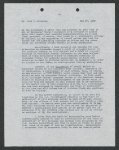
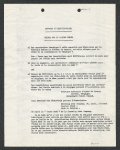
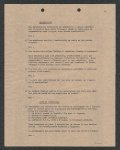
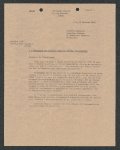
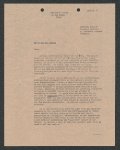
Show are The words not synonymous dise" acter "merchandise with of pas the same general words “such or merchan- Different articles mav be of the same general char but not "‘similar" eae each other as that word has been construed with respett to section 402(b) TD 46378 COPA; 45179 COs Reap. 5722. The profit to be ascertained in cost the character! similar profit portation realized at the which ordinarily or production is of the time of the tariff act, of productionis preceding the date manufacture required for the imported article. CIE 85/16. of’ ex- In practice, it is seldom necessary to fo beyond the manufacturer of the imported merchandise:to ascertain the usual addition for profit, and it is sufficient to report his profit on the instant merch andise if he makes no other ee ge the same Bera Sheeaeee ts. tad hé does, profit on the peeeeae™ aan ie, ae (3) ine arorst on all merchandise of the same general character, including the instant merchandise. Pheincairy should be extended to other manufacturers (1) if the one under inquiry refuses to give the desired information, or (2) if his profits cannot: be ascertained from his records,” ie (3) if there is reason to believe that his statements or records are erroneous or false. a inguiry should also be extended if there are indica-— ions (4) ‘that the profits of the particular manufacturer aré either inflated or reduced by special favors or restrictions which are not applied to other manufacturers "merchandise of the same general character" such as re~ of lief from taxes or the receipt of drawback or other export allowances, or of bounties, Because of the general reluctance to give cost data, inquiry of other manufacturers is best restricted to those who export to the United States, and their names, when known to the appraiser, will be shown in the request, and others may be found by inquiry at. the nearest United States consulate or in the trade; It 1s not necessary to make inquiry of other manufac- turers. if (1) there is no reasonable ect to believe that his profit is not representative, and (2) his overhead and profit are equal to or in excess of the statutory minima, and (3).the total calculated the selling +price exceed Cale ulation of cost. of production entered or does not value. Profit It. is often found that amanufacturer has good or acceptanle records of yao Cotes of materials, fabrication, etc., but adds thereto a percentage to cover both’ general expenses and prefit, tknout distinguishing between these two elements. This percentage is usually called the ‘mark~ up". .If the manufacturer makes only. the one article or wakes only articles of the same general character, it may be possible to compute his ceneral expenses from his rec~ ords and reduce the same to a perceritage of the costs of mterialis; page Sore 1) @tc. The balance of the "mark-up" is the profit. Sometimes a manufacturer has a "mark-up" but must jadane the ¢ s resul cine Sum to meet competition. This, of course, reduces his profit, but since competitio regulates prices, it. may ordinarily be accepted that his actual profitis "usual" Prospective profits of the. importer (a sub- sidiary of the foreign manufacturer) are not part of profits cost of production. of the icin © It ca manufacturers only the that need be’ considered. . TD 4E211 COPA, : Ifa manufacturer produces numerous articles or products, there is rarely a uniform rate of profit on each article since the nrofit must always be governed by the mar ket conditions, competitions and other factors. As a matter fof law _ |