| Title |
Browning Arms Company Collection, Box 003, Folder 10 |
| Creator |
Baxter, Gordon M.; Ellis, Douglas B.; Moyle, Walter G.; Thatcher, Roy D.; Browning Arms Company; Pinckney, G. E.; Browning, Marriner A.; J. M. & M. S. Browning Company; Berry, Wendell; Thatcher & Young, Lawyers; District Court of Missouri |
| Contributors |
Scholefield, Wells & Baxter; Browning Arms Company; Moyle & Wilkinson, Attorneys & Counsellors; Thatcher & Young, Lawyers; Remington Arms Company; J. M. & M. S. Browning Company |
| Description |
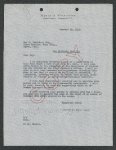
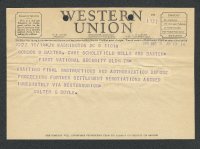
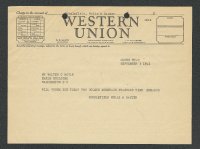
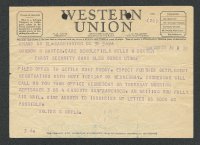
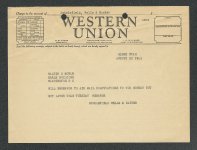
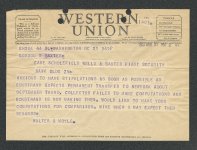
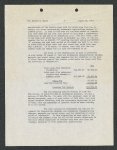
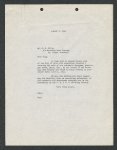
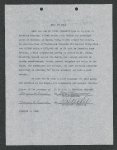
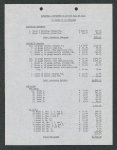
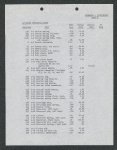
This folder contains correspondence between Walter G. Moyle, Roy D. Thatcher, and Marriner A. Browning about the tax excise court case. It also contains legal documents and financial records related to the Browning Arms Company. |
| Subject |
Firearms industry and trade--United States; Firearms industry and trade--Utah; Browning Arms Company; Business enterprises--Utah--Ogden--History; Remington Arms Company; Firearms--Taxation--Law and legislation |
| Digital Publisher |
Digitized by Special Collections & University Archives, Stewart Library, Weber State University. |
| Date Digital |
2026-02 |
| Date |
1940; 1941 |
| Medium |
correspondence; financial records; legal records; documents |
| Spatial Coverage |
St. Louis, Missouri, United States; Ogden, Weber County, Utah, United States; Washington, D.C., United States; Bridgeport, Fairfield County, Connecticut, United States |
| Type |
Text |
| Conversion Specifications |
Archived TIFF images were scanned with an Epson Expression 13000XL scanner. Digital images were reformatted in Photoshop. |
| Language |
eng |
| Rights |
Materials may be used for non--profit and educational purposes; please credit Special Collections & University Archives, Stewart Library, Weber State University. For further information: http://rightsstatements.org/vocab/InC--EDU/1.0/ |
| Sponsorship/Funding |
Funding generously provided by the Val A. Browning Charitable Foundation. |
| Source |
MS492, Box 3, Folder 10, Special Collections & University Archives, Stewart Library, Weber State University. |
| Format |
application/pdf |
| ARK |
ark:/87278/s65tfk5c |
| Setname |
wsu_ba |
| ID |
184436 |
| Reference URL |
https://digital.weber.edu/ark:/87278/s65tfk5c |
| Title |
Page 96 |
| OCR Text |
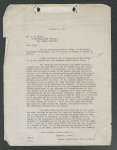
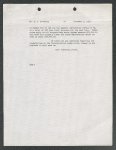
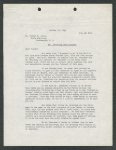
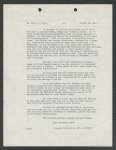
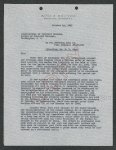
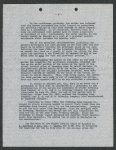
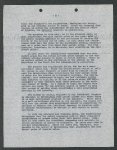
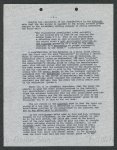
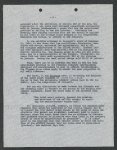
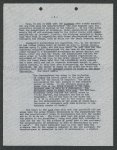
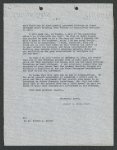
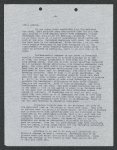
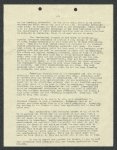
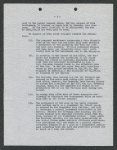
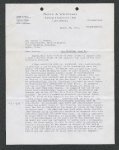
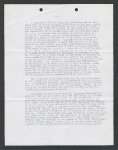
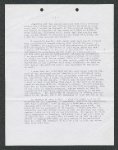
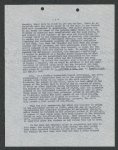
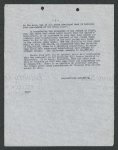
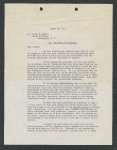
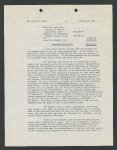
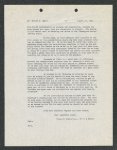
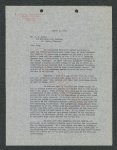
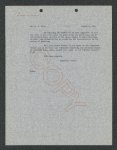
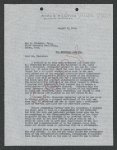
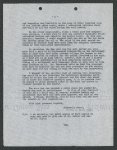
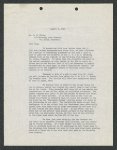
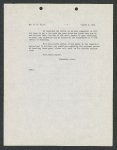
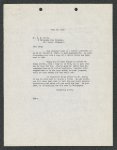
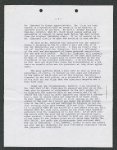
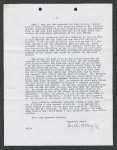
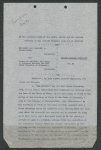
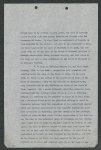
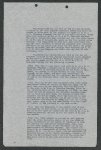
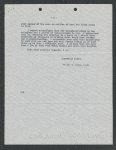
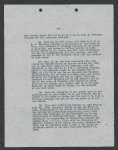
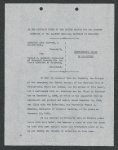
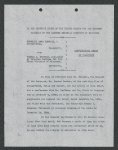
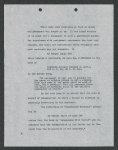
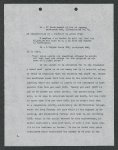
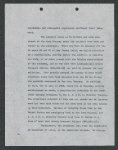
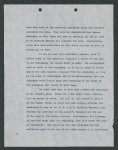
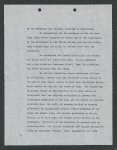
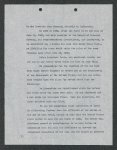
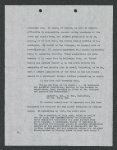
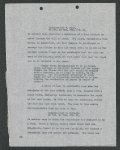
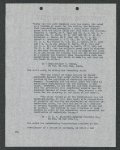
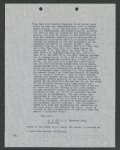
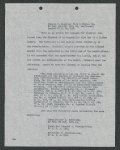
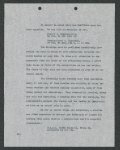
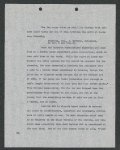
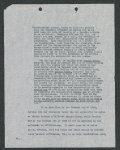
Show 2 = - 3 = In any event, I learned that Mr. Clark refused to take any action in respect to the Unit's memorandum with the explanation that he had nothing to do with the post suit period, but only with the suit. I learned later that this did not sit very well with Mr. Ekstrand, and he was apparently unpleasantly surprised at Mr. Clark's attitude, Mr. Clark, as you know, is in the Civil Division of the Chief Counsel's Office. I think that Mr. Clark was perfectly right in taking the position that the questions raised by the Bureau were matters of interpretation that should be passed upon by the Interpretative Division of the Chief Counsel's Office, Mr. tive Clark Division, forwarded where the 1 was memorandumto permitted to the have Interpreta- conferences with two of the attorneys who had the matter in charge. This proved very fortunate as I learned later that the opinions of the Iinterpretative Division were almost uniformly in our favor. Both Mr. Ekstrand and Mr. Hoyt indicated that the Interpretative Division of the Chief Counsel's Office returned the memorandum to the Unit with an opinion that the sale of separate gun barrels, even when sold with the gun, were not taxable; that the J. M. and M. S. Browning Company was the tax- payer in the post suit period as to all sales except those made out of the original inventory transferred on June 18, 1932; and that the tax, as to the remaining sales should be made upon a jobbers price basis. While I have not actually seen the opinion and cannot, therefore, be absolutely certain about the matter, I am quite sure from my conferences with Mr. Ekstrand and Mr. Hoyt that those were the opinions of the Interpretative Division. It then appears that Mr. Ekstrand sent a copy of the Bureau's memorandumto Mr. Clark and Mr. Zimmerman, whereupon Mr. Clark immediately requested Mr. Hoyt to make up a taxcomputation showing what the result would be if the liability were computed in both the suit period and post suit period It is my upon the basis of the Chief Counsel's opinions. understanding in this connection that Mr. Clark wanted the liability for the suit period computed upon the basis of eliminating sales of separate gun barrels and reducing gun sales to a jobbers price basis, where such sales were made from guns imported after the inventory transfer of June 18, 1932, which I understand amounted to about one-third of the Presumably sales from total sales during the suit period. on the basis of taxed be to were original inventory stock actual invoice prices of Browning Arms Company. Following Mr. Clark's request Mr. Ekstrand started to prepare such a tax computation, but found that he did not have the figures showing sales made from the original inven- |
| Format |
application/pdf |
| Setname |
wsu_ba |
| ID |
184532 |
| Reference URL |
https://digital.weber.edu/ark:/87278/s65tfk5c/184532 |