| OCR Text |
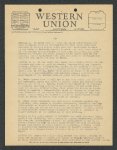
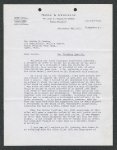
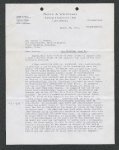
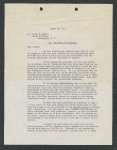
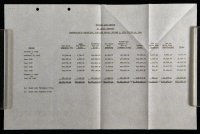
Show x © « sermined umier the bo provisions of Section 619 of the Act, was represented by the price that Albrecht competitors customarily sold to jobbers (wholesalers), since that was the established practice of selling Browning Arms in the fur industry. Company contends Ginilariy the tex should be applied taxpayer's brief of December that the to its sales at the average price charged by its competitors, Remington and Savage, to jobbers in the induatry. in 11, the 1940, ington exhibits it and the shotguns 1940 attached shown Savage, and jobbers was that competitors, Winchester, accounted for approximately manufactured Remington (Exhibit. to ite 801d B). in the United approximatel The States. 902 figures. prior 90% of Rem~ of all Between ita 1934 shotguns to 1934 are not to avail- able, due to a reorganization of the Company. Winchester, between 1952 and 1940, gold approximately 98% of its shotguns to jobbers. During the same period Savage #14 99.7% to jobbers. Thus, there can established practice shotguns) be no questiien but what {t was the well in the firearms industry (particularly for manufacturers to sell The @1] figures given above email firearns. apply fhe Albrecht of the Court, lower in court the remanded to jobbers in almost case, the in same (wholesalers). proportion to reversing ic solely for a the decision finde ing as to what the prevailing jobbers’ prices dustry, 1.6. the competitors of Albrecht. were in the in- Wor can any distinction be made between the Albrecht and the Browning cases in respect to the atatus of the selling sub-~ sidiary companies, since the Court held in the Albrecht case thath"The trial court properly ignored the and existence of the selling company ing the manufacturers! excise tax". creation in apply~ It definitel, vefused, however, to follow the Commissioners argument that sinees the existence of the selling Company was to | be ignored the fair market price should be the price at which the Alorechts (the gerent and subsidiary combined} sold to retail Gealers, since the court fount there was no evidence to indicate that products similar to Albrechta were thus "sold in the ordinary course of trade by manufacturers or producers". It is undisputed in the Albrecht case that neither before tion of the selling company were any sales made (jobbers). See decision Pase 206, or after the erea- to wholesalers |