| OCR Text |
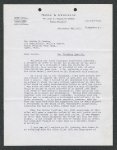
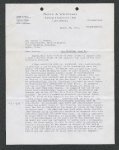
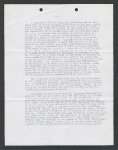
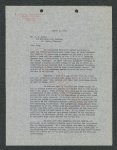
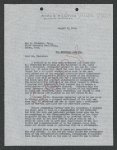
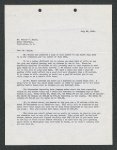
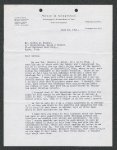
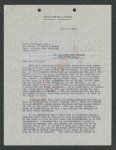
Show © S corporation billing the of approximately price. billing wae Commissioner tax, of The 1926 Ho payments clearly held the statutes and forty per cent appear to have a charge ageinst transfers to be involved, Section 801 of Section (a) the (40%) been the of the made, though system, sales The and assessed «¢ the Revenue Act Revenue Act of 1924, are 610 Gio of the Revenue 600 of substantially the same ag Sections Aet Im each the tax If no sale statute. The principal difference between the case at bar is that former the excise tex law of 1952, classesof under persons, either Pickwick ease and sale made while in was the the the is end imposed upon is there made, letter it was made before the plaintiff contended that the corporation and system "that the was the act «a sale can be in the in effect, became there by limited no tax while effective, was no sale, constituted but &® single economic wit, bus bodies by parent to in the eperation of the constitute a ‘sale and that the transfer of subsidiary, for consumption latter's business, did not the meaning there is no of the law difference above cuoted; arguing that between the case at bar and or lease’ of bus bodies, within the one wherein a single company manufactures bue bodies in one of its devartments and transfers them to another for use and not for sale or lease,” "plaintiffs then contend that, when the of a subsidiary is owned or controlled by corvorktion, and the subsidiery is a mere or agent fiction justice of the parent corporation, the stock a parent conduit corporate should be disregarded in the interest of and equity -— in other words, they say that the system was merely The method of conducting the ego of the corporation. operations, alter it is argued, the |