| OCR Text |
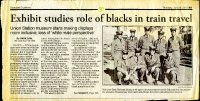
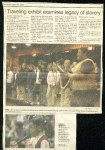
Show Standard Examiner | By =] uusoy, Juy 28,2016 oA Exhibit studies “dle of ks in train , Union Station museum starts making displays more inclusive, less of ‘white male perspective’ By MARK SAAL Standard-Examiner Staff OGDEN — White people may have come up with the idea of a transcontinental railroad, but it was black people who made that cross-country mode of transportation worth using. an “Riding in Style,” anew permanent exhibit opening Saturday in the Utah State Railroad Museum at Union Station, explores the evolution of passenger train travel, with an emphasis on the African-American railroad service workers who settled in Ogden and built a community here. These were the porters, waiters, cooks and other railroad employees who helped — make rail an elegant way to OPRN AsCUR Lc | travel throughout the heart story of Ogden,” she said, “and make sure that we’re of the 20th century. Elizabeth Sutton, execurepresenting all the differtive director of Ogden’s ent viewpoints.” Union Station, says when | - In exploring various she took the job two years points of view, Sutton called it a “no-brainer” that © ago, she saw a great mu- © a railroad museum would seum— but with a number of outdated exhibits. share the story of the por“They’re very indicative ters and waiters who of the time they were crehelped make passenger rail ated, way back 20 years - what it was in its heyday. ago or so,” Sutton says of “The railroad was a sigthe current displays. “And nificant draw to the what struck me is that only African-American commuone perspective is given in nity here,” said Stanley > this museum — the white Ellington, a board member male perspective.” for Community Advocates Sutton’s staffis working of Northern Utah. on updating exhibits and CANU has been collectmaking certain that they’re ing oral histories of the more inclusive. “Riding in black members of the Union Station Drives Style” is an attempt to beThe Utah State Railroad Museum will open a new dehnenert exhibit Saturday that focuses on gin the updating process. the evolutionof passenger train travel and African-American railroad service workers. See MUSEUM, Page 12A “We need to tell the |