| OCR Text |
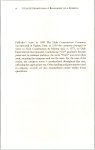
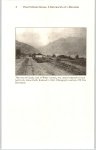
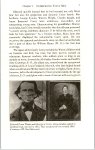
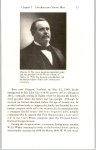
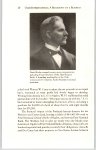
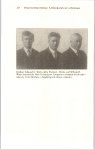
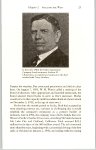
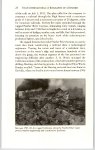
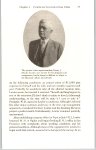
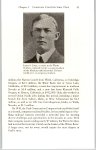
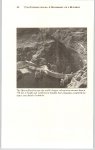
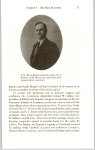
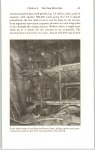
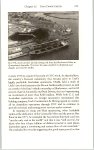
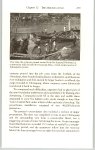
Show INTRODUCTION XVI Descended from English converts to Mormonism, the Wattis brothers started working in construction in the late nineteenth century. At first the Wattis boys worked for Corey Brothers, a company owned by their uncles. In 1900, they purchased the assets of the uncles’ business and incorporated as Utah Construction Company. Seeking additional capital, the Wattis brothers secured investments in the company from a number of Ogden entrepreneurs and bankers such as David Eccles, Thomas Dee, and James Pingree, all of whom were involved in the incorporation from the beginning. In fact, David Eccles, Marriner Eccles’s father, was the company’s largest single stockholder. During the first decades of the twentieth century, although Utah Construction specialized in building railroads, the company also began constructing dams and other irrigation works. The officers negotiated contracts with railroads such as Denver and Rio Grande Western, Union Pacific, and Western Pacific, which at its completion in 1911 was probably the last of the transcontinental railways. In 1914 the company began to diversify by taking contracts to construct dams. Building railroads and dams took it throughout the states of the American West, and in 1923 it took its first international contract by building a railroad for Southern Pacific’s Mexican subsidiary. The Wattises planned and fulfilled these early contracts by ruleof-thumb figuring and fabrication. Not until 1920 did the company hire its first engineer. In building the railroads and structures, the company used human, horse, and steam power until 1927 when it began to employ machines powered by internal combustion engines. Although Utah Construction had undertaken projects on joint agreements with companies such as Morrison Knudsen of Boise, in 1930 it launched a joint venture that hastened its rise to international prominence. In that year, W. H. Wattis put together a consortium called Six Companies to construct Hoover Dam, perhaps the largest public works project in the western United States to that time. In addition to Utah Construction, the consortium included such important western companies as Kaiser, Bechtel, Morrison Knudsen, Pacific Bridge, and McDonald & Kahn. The Six Companies’ bid of $48.9 million was $5 million |