| OCR Text |
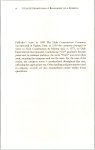
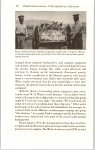
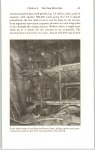
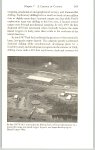
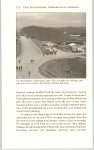
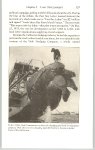
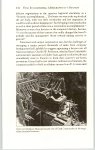
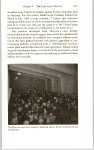
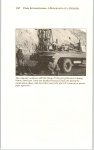
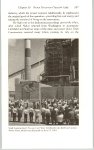
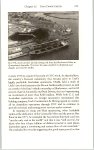
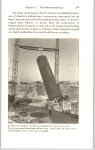
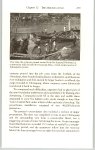
Show Chapter10 BLacK GOLD AND YELLOW CAKE 185 barren plains not far from an earth-filled dam a mile and a half long and 110 feet above ground level. Nearby, 400,000 tons of coal were heaped into a small mountain, awaiting the plant’s opening. Huge by industry standards, the facility would generate 350 megawatts by 1963, with an ultimate capacity of 2,085 megawatts. The available water supply set the limit. Designers engineered the plant to produce an enormous 1,270,000 pounds of steam per hour. Most of the energy thus generated would then travel three hundred miles over 345-kilowatt transmission lines to the burgeoning city of Phoenix. Actual operations at the Navajo Mine got underway on October 5, 1962, when initial box cutting began at the Dodge Pit, named for a Navajo family who had lived in the area. Fittingly, a member of that family, Charley Dodge, was working at the mine on that historic day. That first box cut was about a hundred feet wide and revealed coal depths at from twenty-six to thirty-two feet. The strip-mining operation began with blasting the overburden. To streamline this part of the procedure, the company developed a unique truck designed to measure accurately and mix thoroughly the explosive’s ingredients. Workers carefully weighed ammonium nitrate pellets (called prills) and fuel oil while loading the truck, after which two large augers inside the vehicle rotated and mixed the two materials. Two other augers then moved the mixture to and through a discharge pipe which loaded the blasting hole at a rate of one hundred pounds per minute. A typical hole with fifty feet of overburden required seven hundred pounds of the mixture. With varying thicknesses of overburden and differing ground hardness, the charges ranged from 250 to 2,000 pounds per hole, but this ingenious new truck cut a two-day blasting job to half a day, using the same number of men on the crew. After controlled blasting fractured the overburden, a walking dragline removed the broken earth. Utah began work with a Marion 5323 power shovel from the worked-out Ozark-Philpott Mine in Arkansas while waiting for delivery of the next generation of machine, the Marion 7900 dragline, built especially for the Navajo Mine project. Powerful, flexible, and economical, the 7900 went into operation in double shifts on April 12, 1963. Boasting a 40-cubic-yard dragline with a 250-foot boom and able to dig about |