| OCR Text |
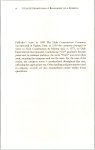
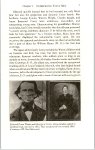
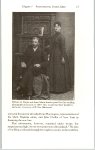
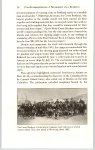
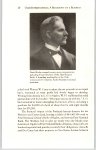
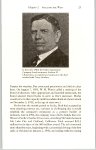
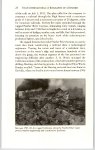
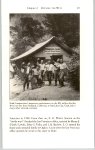
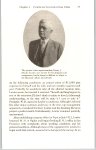
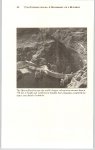
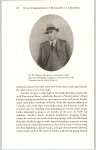
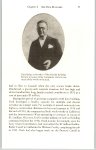
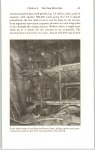
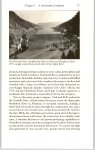
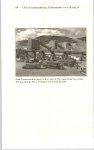
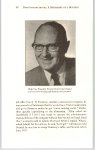
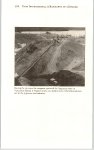
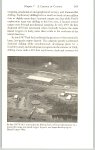
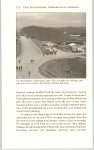
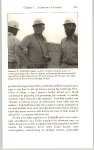
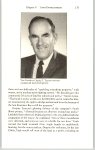
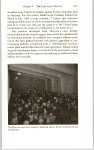
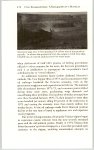
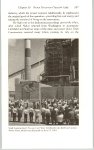
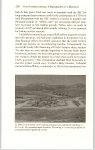
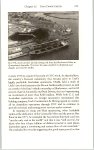
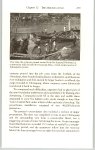
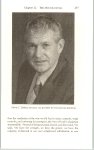
Show 60 UTAH INTERNATIONAL: A BIOGRAPHY OF A BUSINESS foot level of the cofferdams (temporary dams to de-water the work site) and linked the entire operation. Utah Construction also built an aggregate producing and batch plant to supply 4.5 million cubic yards of concrete and grout, locating it upstream eight miles beside sand, gravel, and cobble deposits. In the meantime, government contractors erected Boulder City, which the Department of the Interior quickly promoted as a model city and “moral Utopia,” with boarding, medical, recreation, and shopping facilities for a population of five thousand. In addition, Six Companies spent approximately $250 per worker to buffer the harsh climate, seven-day workweek, and the danger inherent in many jobs. Six Companies contracted with Anderson Brothers Supply Company to fill the cafeteria and soda fountain with a variety of fresh and canned foods, drawing upon a dairy farm Anderson established eighty miles from Boulder City. A dining room, barbershop, reading room, and billiards room rounded out the accommodations, which, along with a private room, cost each worker $1.50 per day. By late summer, more than three thousand workers transformed the dam site into a disturbed anthill, moving the earth and changing forever the face of the Southwest. At about that same time, death brought another milestone to Utah Construction’s history. William Henry Wattis, who had led the bidding effort from his hospital room, never returned to work as he had planned, but succumbed to cancer on September 13, 1931. At a board meeting September 21, his brother and partner for half a century suggested that Marriner S. Eccles be elected company president. The financier agreed, on the condition that E. O. become board chairman, despite his advanced years and problematic health. Lester S. Corey became vice president and general manager, and the indomitable Hank Lawler took W. H.’s seat on the board. In Black Canyon, the work continued on an impressive scale that W. H. surely would have relished. Excavation work required the removal of six million cubic yards of earth and rock, including more than 1.5 million for diversion tunnels. To channel water into the tunnels and to keep the dam site dry, two cofferdams, each bigger than most conventional dams in the United States, required 1.236 million cubic yards of earth and rock fill. When the concrete dam was built, the lower cofferdam was then removed. The double- |