| OCR Text |
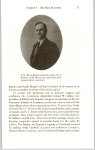
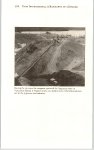
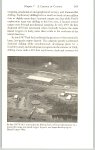
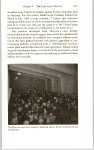
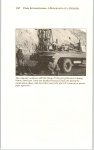
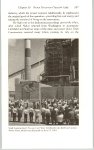
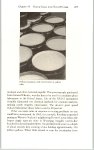
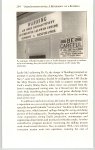
Show Chapter 10 BLACK GOLD AND YELLOW CAKE 205 reagents used in processing the ore to obtain the uranium oxide. All told, Lucky Mc reached a unique milestone, in July 1964, when the ten millionth pound of yellow cake issued from the mill. At that point, Lucky Mc’s production surpassed a total value of $80 million. Four years later, the flexibility of the mine’s stripping Operations increased dramatically when two unique push-pull Scrapers went into operation. In the first-ever mining application of such machines, the mine’s stripping capabilities increased by about 200,000 yards per month. When the Lucky Mc Mine celebrated its twentieth anniversary in 1973, it also marked its fifteenth year of milling operations. Since stripping operations began modestly at Lucky Mc in the summer of 1954, more than 4.5 million tons of uranium ore had yielded in excess of twenty-six million pounds of uranium oxide. Until 1967 the Atomic Energy Commission was the sole buyer. In the mid-1960s, however, a commercial market began to develop and, by the early 1970s, all sales were to private customers. In 1976 Utah negotiated the sale of 9.25 million pounds of yellow cake for use after enrichment in the country’s nuclear power plants. The federally owned Tennessee Valley Authority contracted for another 1.04 million pounds of yellow cake, then distributed the power it generated to consumers through 150 local electric power companies. After Lucky Mc led Utah into the uranium business, the company acquired control of uranium-bearing properties in the nearby Shirley Basin area in 1957. The magnitude of the rich strike there attracted the attention of Fortune magazine, which highlighted the uranium boom in its March 1959 issue. The article included a glowing account of Utah Construction & Mining’s early years and its successful mining ventures. Under the direction of Superintendent John E. Reed, the first ore from Shirley Basin reached the surface in early 1960. The prevailing market and stripping costs indicated an underground operation, which continued until a sales cutback and unfavorable operating costs dictated a shift in strategy. The Wind River sediments, in which the ore lay, consisted of a poorly consolidated water-bearing sand, so loose that it took very little blasting to break it into moveable material. Unfortunately the costs associated with |