| OCR Text |
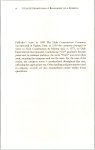
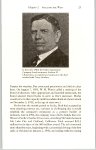
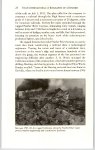
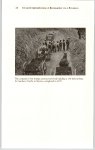
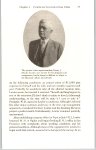
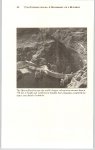
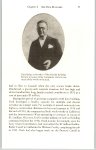
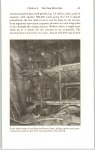
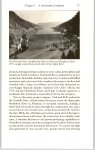
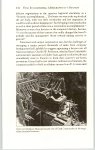
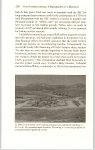
Show Chapter 4 THe DAM BUILDERS 47 and contracted with Corey Brothers Construction Company on May 28, 1909. Corey had never built a dam before, but apparently its ability to grade road bed for the Canadian and Western Pacific Railroads qualified it to construct a dirt-filled dam. When water behind the dam began to rise, rumors circulated that the dam was faulty, naturally alarming the residents of Mackay, four miles downstream. In addition, hundreds of farmers below the dam who depended on the flow of Big Lost River waters were outraged when the stream dwindled to a trickle. These concerns brought the Big Lost River Water Users Protective Association to life in April 1910 at the same time a court case evolved over the title and value of the land covered by the reservoir. The water users group managed to have engineering firms from New York and San Francisco evaluate the dam’s structural integrity, but their reports differed widely. Then another committee of engineers submitted a report in September 1910, documenting serious defects in the dam, most notable that it rested on gravel rather than bedrock, causing leaks in the downstream toe or base. These findings sent the region into near panic. Now nearly everyone was upset, including the promoters who had sold $1.4 million in bonds to investors, the sixty upstream families who had filed on three thousand acres and now wondered when they would receive water, and the stockholders, to say nothing of those downstream. All these considerations forced the Idaho State Land Board to halt construction on the Mackay Dam in May 1911. Soon afterward, an adjacent, much smaller Darlington Dam diverted upstream waters to irrigate 45,000 acres—a dissatisfying contrast to the unfinished Mackay Dam. When construction ceased, Corey Brothers filed a $500,000 lien against the Lost River Land and Water Company. In the spring of 1914, when the company went into court-mandated receivership, these liens totaled $700,000. At the court sale, Corey Brothers (represented by the Utah National Bank of Ogden) gave the high bid of $35,000 for Lost River’s assets. In February 1915, Utah Construction interceded for the Coreys when W. H. Wattis proposed to complete the project, given certain stipulations: Utah Construction would provide two acre-feet at $40 per acre, to be paid over a fifteen-year period at 6 percent interest on the unpaid |