| OCR Text |
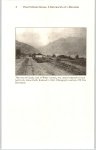
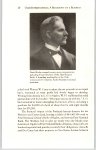
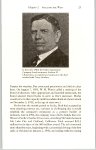
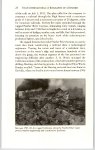
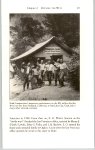
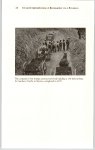
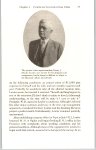
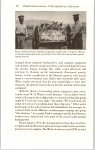
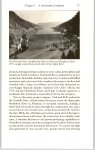
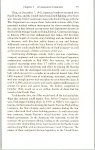
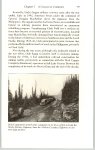
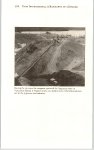
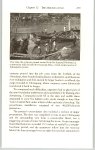
Show Chapter 2 STEELING THE WEST 27 and 1908.” One day her father took her “by the hand up the canyon where the blasting was being performed and we found a nugget of gold. There were a number of Hindu and Chinese workers. The Hindus frightened me nearly to death with their red turbans and black beards.” Many workers came from abroad, particularly from Europe— Swedes, Italians, Austrians, and Greeks—through an employment agency in Chicago. The immigrants readily abandoned one construction company for another if they heard of improved working conditions or pay. Thus Utah had every reason to treat its employees fairly in order to minimize turnover. W. H. Wattis, in particular, enjoyed a reputation for protecting his employees’ jobs even during economic downturns. The eastern portion of the route ran over desert and presented its own obstacles, such as few towns, minimal supplies, and scarce water. The four hundred arid miles between Salt Lake City and Hockstaff, north of Reno, involved desert and salt flats lying at low elevations. Since salt flats would not support conventionally laid tracks, laborers stacked wooden planks in trenches dug into the briny sand. Utah employed as many as 7,772 men on the project, sometimes abandoning steam-driven shovels for picks, shovels, sledge hammers, and horse-drawn slip plows—with a Harris Track Layer aiding in the final stages. In places the steam shovels could not reach, mules hauled two-wheeled wagons from the canyons. Despite the large and mainly inexperienced work force, few casualties occurred. Five men died in an explosion at Beckwourth in the Sierra Valley of California, and a collapsed trestle injured a few men on Beckwourth Pass. Another death came during a gunfight over a woman. Rough living conditions prevailed in the work camps, though the men did not consider these undue hardship. Bosses often managed to sleep on bunks, but their crews bedded down on hay mattresses. Tents provided shelter, with an occasional wooden shack covering a blacksmith shop or expensive equipment. Good food boosted morale in camps sometimes fortunate enough to harbor a fiddler or harmonica player. Card games and other forms of gambling filled leisure hours. “Rag saloons” sprouted near the |