| OCR Text |
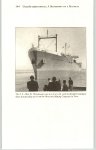
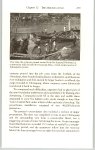
Show Chapter 9 THE PERUVIAN ODYSSEY 179 Inasmuch as the thorniest problem was establishing the fluctuating value of Marcona’s holdings, both parties agreed to defer the issue. The mediators instituted a systematic approach to the negotiations based on the idea that Peru’s economic health depended on getting Marcona’s vessels back in service. A breakthrough came in December, when conferees signed an agreement calling for the ships to resume transporting ore immediately, in anticipation of an overall agreement within ninety days. The final settlement would include a $1-per-ton shipping charge for materials hauled during the interim. As the ships weighed anchor, both parties retained independent consultants to assure an objective valuation of Marcona’s net assets. Peru employed a French firm, while Marcona executives commissioned the Stanford Research Institute. By March 1976, The State Department negotiators reached a consensus. consequently appointed New York attorney Carlyle Maw to hammer out a compensation package, in consultation with the Peruvian ministry of mines. A three-part settlement soon emerged. Peru signed a $37 million promissory note to be financed by a loan from a group of American banks, a discounted sales contract of $22.4 million with Marcona on 3.7 million tons of Peruvian ore deliverable within four years, and a $2 million payment for the ore transported by the company since December 1975. The total package entitled Marcona to compensation totaling $61.4 million. The settlement satisfied both sides. Peru would not suffer further on the balance of payments issue, inasmuch as the capital required would not come from the treasury. Peru also received access to the American market and secured transport guarantees from Marcona. In turn, the company retained a guaranteed source of iron ore, with which to fill back orders and provide steady income while Utah restructured and undertook new ventures. So ended the remarkable quarter-century of Utah in Peru. Through constantly expanding mining, minerals processing, and shipping enterprises, the company and its partner certainly made the most of their intrepid move into multinational business. And while Utah definitely became a mining company during those years, it also held many other irons in the fire. |