| OCR Text |
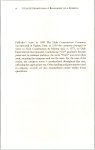
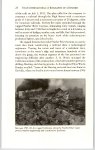
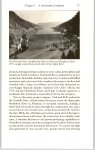
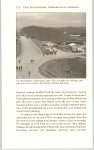
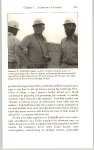
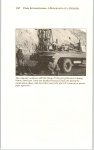
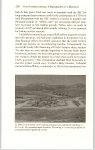
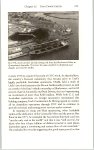
Show CHAPTER Black 10 Gold Yellow and Cake A THOUSAND YEARS AGO, the aboriginal inhabitants of what is now northwestern New Mexico burned coal in their kivas, but it was not until after World War II that the presence of vast coal reserves on the isolated Navajo Indian Reservation came to have any meaning for the rest of the world. Early in the 1950s, geologists working for Utah Construction Company became impressed with the feasibility of mining this “black gold” to produce electricity for the growing Southwest. From that beginning, the Navajo Coal Mine became one of the world’s largest, as Utah’s operation established important firsts and set numerous records in the mining and power industries. A few hundred miles to the north, the company would also enter into another important arena of the postwar energy extraction business when it began to produce “vellow cake” from uranium mines in Wyoming. When Utah began to investigate the possibilities of entering into a major coal-mining enterprise, the Navajo reservation covered an area equal to Maryland, Massachusetts, and New Jersey combined, yet its population was smaller than that of Berkeley, California. The Navajo Nation constituted the largest Native American population in the United States, with some 90,000 people spread over a vast landscape, largely arid and unspoiled. Concerned about controlling the use of natural resources on their land and deriving maximum benefits from them, the Navajos encouraged the development of industry on the reservation and cooperated closely with Utah from 181 |