| OCR Text |
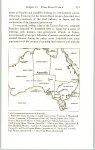
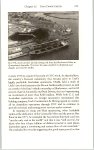
Show Chapter 11 UtaH Down UNDER 221 deposit in probable tonnage available, investigators divided the ore bodies into a series of vertical sections at 100-foot intervals and by horizontal planes at 40-foot intervals, each plane showing a possible mining level. They then estimated possible tonnages by calculating the weight of the samples relative to the determined extent of the field. This process included establishing grades for each ore block with a determination of values for “phosphorus, the silica/alumina ratio, sulphur, copper, other metals and loss on ignition,” a formula the geologists, at least, understood well enough to predict that sufficient ore of shipping quality existed to justify immediate development. Estimated tonnages at Mount Goldsworthy alone ran in the neighborhood of forty to fifty million at about 64 percent iron, a very rich fraction. The team also investigated other sites, one of which eventually proved similar in size and quality to the original discovery. As part of the feasibility study, detailed metallurgical surveys provided information on the fundamental ore characteristics of “crushability, abradability (to rub off), and reducibility.” Meanwhile, MGMA was investigating overland transport and shipping. The coastline of northwest Australia had no natural deep harbors, and a suitable port would have to provide protection and deep draft for large bulk carriers. After considering three possible sites, planners selected Port Hedland, some seventy miles west of Mount Goldsworthy, a choice that also required constructing a railway to link Mount Goldsworthy and the ship-loading facilities on nearby Finucane Island. Invariably, large multinational ventures encounter political complications. Prior to MGMA’s preliminary investigations, Australia had enforced stringent curbs on exports to conserve known reserves for its domestic iron and steel industry. Recent explorations, however, had increased known reserves by more than twenty-fold. After gentle but persistent urgings from MGMA and others, in July 1963 the government announced relaxed restrictions, allowing the export of the entire proven reserves at Mount Goldsworthy—sixty-four million tons of hematite ore. This was very good news for the consortium, and MGMA made the final decision to push ahead. After investing $2 million of the estimated $42 million necessary to bring the mine to full production, the |