| OCR Text |
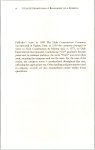
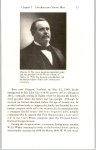
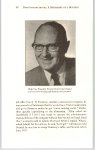
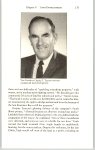
Show Chapter 10 BLacK GOLD AND YELLOW CAKE 17] equipment, with the possibility of three more plants under consideration. The gasification process that the joint venture planned to employ, developed in West Germany by the Lurgi Company, required half as much coal as other methods. It also had the advantage of lower pollution levels; emissions of sulfur dioxide (the major pollutant from coal burning) totaled only one-sixth as much as from coal combustion. In addition, gas produced in the project would be completely interchangeable with natural gas. Although times changed and the project never materialized, its planning and potential represented the forward-looking perspective of the combine. To be located thirty miles southwest of Farmington, New Mexico, adjacent to the coal reserves, the pilot plant would have gone into operation in 1975. Utah mines would have yielded 25,000 tons of coal per day to create the planned daily output of substitute natural gas and to generate the large quantity of steam necessary to operate a plant of its size. Coal reserves were sufficient to feed such a plant for a hundred years, and basic pipeline facilities for the gas already existed. Texas Eastern planned to construct the only new line the system would need to move the gas from the plant to those existing pipes, some fifty miles south of the plant site. With that exciting and futuristic prospect on the drawing board, the Utah adventure in Navajo country shone high on the list of the company’s postwar accomplishments. The development of the Navajo Mine project, however, was not without its challenges and controversies. Calling itself a “Native American OPEC,” the Council of Energy Resource Tribes (CERT) inaugurated a campaign in 1979 for greater control of natural resources on Indian lands. This movement hit close to the Navajo project, inasmuch as the national head of CERT was also Nakai’s successor as chairman of the Navajo Tribal Council, Peter MacDonald. When the controversial MacDonald was indicted on seven counts of fraud and income-tax evasion, the trial resulted in a hung jury with all charges dropped, but not before the affair gave MacDonald a national forum for his views. Labeling it a case of political persecution, MacDonald claimed that the real target was the Navajos. “I am the symbol,” he told Time magazine in the August 20, 1979, issue. “Put me away, get me out of office, and it will be a |