| OCR Text |
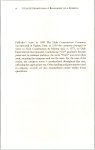
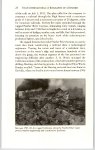
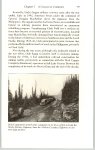
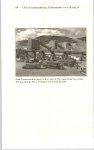
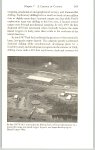
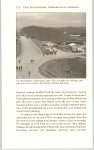
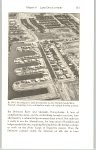
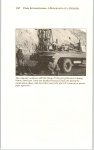
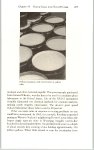
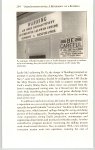
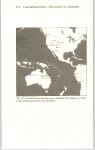
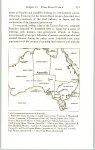
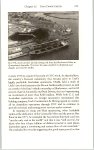
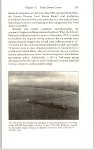
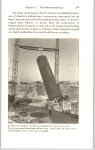
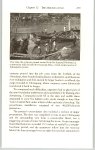
Show Chapter 11 UtraH DowN UNDER 223 15,000 test holes combined with a veritable library of geological information to give Utah engineers mining intelligence not previously available. Additional economic feasibility studies and satisfactory political negotiations ensured that the development would go forward. Utah then created an agile administration based on its commitment to people as its most valuable resource; and, as a Blackwater mine manager later put it, “They also purchased, organized and administered well.” By the end of 1965, both mining projects had built up a full head of steam. To get a 3,000-ton sample of Blackwater coal to Japan, Utah Construction and Engineering removed some 50,000 cubic yards of overburden and coal from the sample pit and mobilized virtually every available truck in Queensland to haul the raw coal fifteen miles to the railway siding for the trip to Gladstone, where a pilot plant washed the trial shipments at the rate of twenty tons per hour. As the first sample left Gladstone on October 23, bound for the Australian steel company, Broken Hill Proprietary Company, Ltd., in Newcastle, New South Wales, one reporter gleefully recorded the coincidence: “As the side-boarded cattle truck drove away from Auckland Point, the Utah team realized it was an historic moment; here was a truck of Utah’s Blackwater coal headed for Newcastle”—literally “carrying coals to Newcastle.” An equally impressive surge of activity went on in Western Australia, particularly at Port Hedland where MGMA established a job site office in February, after ordering equipment and arranging prefabricated housing for a 128-man camp. In addition, preparations for the dredging operation began with the procurement of equipment, mostly in Perth, in anticipation of the arrival of Utah’s dredge Alameda, then undergoing an overhaul at Yokohama, and the 50-ton derrick barge San Bruno, which MGMaA had acquired in Portland, Oregon. The Alameda arrived and by year’s end had completed dredging the mooring basin and portions of the inner channel. It was then moved outside the harbor to work on the outer approach channel. This work paralleled inland operations at the mine site and along the rail route, where crews worked overtime preparing for full production in 1966. Not surprisingly, all this activity raised considerable interest at company headquarters. Speaking at the 1966 Stanford Business |