| OCR Text |
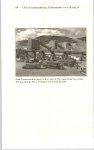
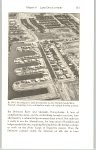
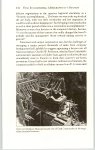
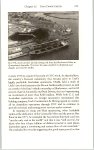
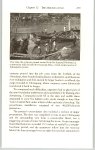
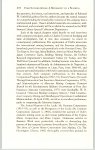
Show 134 Utau INTERNATIONAL: A BIOGRAPHY OF A BUSINESS competition, both foreign and domestic. The manufacturer had designed the Alameda and its ancillary plant for large contracts, and the company failed to bid successfully on jobs big enough to accommodate the vessel. While the Alameda idled temporarily on the other side of the continent, its counterpart, the Franciscan, moved down the California coast to participate in the Long Beach Port Authority’s program to build large new pier areas. The cost of the project was $2.7 million, but the rock removal contractor could not stay ahead of the dredge, idling the project and dragging down the profit. From there, the Franciscan went to Redwood City for similar harbor work. Again, bay mud flats at the project called for innovation. This time, the company turned for the first time to an answer that would eventually become common in such operations—using helicopters to haul and position pipes. The bulk of the work also required the company to rent a smaller dredge to accompany the Franciscan. Utah later bought this craft and changed its name from the Palmer to the San Mateo. Inasmuch as the Franciscan (unlike the Alameda) required utility power from shore, Pacific Gas and Electric Company built a 12,000-kva substation to supply the huge implement with its required power, enough electricity to light a community of 26,000 people. Even with these added expenses, the Redwood City project finished in the black. Shortly thereafter, Utah entered into a joint venture with Olympian Dredging Company to construct retaining levees, rip-rap, and rock dikes at the San Leandro small-craft harbor. Work on the half-million-dollar contract wrapped up in 1962, also in the black. Utah Dredging next found itself occupied on the Sacramento River. Although it did not dredge deeply, it sucked up enough material to cover a residential street to a depth of six feet for a distance of 160 miles. That silt included large amounts of peat moss permeated with gas, created by the decomposition of the organic material in the peat. Occasionally a chunk of the muck would tumble through the pipes, where it would break up and release the gas, which produced a terrific banging and rattling as it bubbled its way out of the system. In the meantime, the Franciscan was kept busy on jobs that earned a $370,000 net profit in the Los Angeles West Basin. After |