| OCR Text |
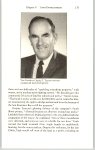
Show Chapter 7 A CHANGE OF COURSE 123 On the eve of 1959, upper-level management cautiously predicted that “1959 profits may well be the highest in the company’s history.” The Lucky Mc uranium mine’s first full year of successful operation, plus satisfying results from mines at Ozark and Pima, led to this exuberant projection. On the other side of the ledger, however, a decline in international iron ore purchases, meaning that their Peru operation faced serious problems in disposing of its product, cast a long shadow. On top of that, Peruvian politics seemed threatening. Also, land development profits had slumped due to a reduction in land sales. Management decided to adjust its land development operation and make other changes. On March 13, 1959, the board approved moving the corporate offices scattered across the Bay Area to 550 California Street in San Francisco, a 29,000-square-foot facility on one-and-one-half floors. These new offices would facilitate communications, reduce office space, and modernize the technology linking all the offices. Second, on July 29, 1959, the board authorized the name change to Utah Construction & Mining, as management increased the number of common shares from two to ten million to facilitate the expanded operations. Additionally, Littlefield announced the creation of three separate operating divisions, “designed to keep pace with Utah’s expanding operations and the demands posed by a continuing pattern of growth.” Littlefield had sensed the need for three divisions immediately after he became general manager, but hired McKinsey and Company, international management consultants, to analyze the company and recommend a course of action. He nevertheless drew his own organizational plan and put it underneath the blotter on his desk. “And after the plan was received from McKinsey, it was damn near the same as the one I had produced.” With the subsequent reorganization of the staff, it was the first time the company was organized in recognizable and reasonably welldefined divisions. In the wake of the reorganization, Littlefield described the changes as part of a strategy for preserving the company founders’ “priceless legacy, a reputation for technical competence and integrity.” In the March issue of the company newsletter, Utah Report, he laid out the corporate challenge in plain and stirring |