| OCR Text |
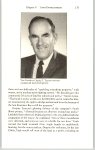
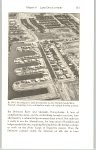
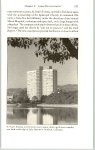
Show Chapter 6 REINVIGORATING MANAGEMENT a9 This incident highlighted Christensen’s style of pitting corporate executives against each other to create internal rivalry, saying, “Youcan ... let them run a race and maybe they’d both run faster if they thought they were running against each other.” In another case, when Littlefield came aboard, Frank Keller was competing against Charles §. (Chuck) Davis, another vice president. Their personalities differed considerably, Davis being “a heavy construction guy ... gregarious, personable, a strong personality,” Littlefield related, while Keller, was “a soft-spoken fellow, a bit of a loner, the opposite of a hard-drinking construction guy.” The fierce rivalry for projects and profit margins led Keller to find a specialized niche in commercial construction—stores, garages, office buildings, and housing. Then he proposed treating construction fees as equity and subsequently selling that equity at a capital gains rate of 25 percent. The federal Wherry Act passed Congress, accommodating Keller’s tax strategy. Under the Wherry Act, Utah constructed buildings during the Korean War for the United States government—mostly what was termed “critical housing” around airbases. Once the war was over, Utah acquired titles to the homes, rented them, and finally sold them at a profit. Eventually, Utah constructed parking garages and even hotels under government auspices on the same tax basis, a profitable venture at the time. As the September 1951 board meeting approached, Marriner Eccles proposed forming an executive committee to facilitate decision making at the board level. (Eccles had assured Littlefield a place on this committee during their job negotiations.) The board agreed to a committee that was to meet monthly comprised of Eccles, Corey, Christensen, and Littlefield. According to Littlefield, this group had all the powers of the board and could act in the board’s stead if it chose to do so. It did take many actions particularly in the approval of bids for construction jobs, etc., when construction was the company’s principal business. Later on, when mining became so important, the executive committee had much more lead time before a final commitment was necessary, and it then served the very useful |