| OCR Text |
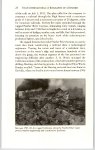
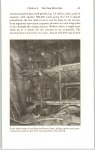
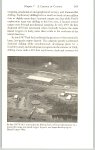
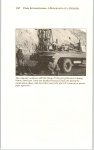
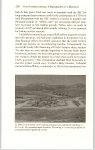
Show 198 UTAH INTERNATIONAL: A BIOGRAPHY OF A BUSINESS recalled, “we found an ore vein which took us off the Lucky Mc claim and onto a bonanza deposit, which was later to contribute 65 percent of Utah’s total uranium ore output. It turned out we had one of the great uranium deposits.” Even better, it was one of relatively few deposits that could be exploited with open pit mining methods. The timing could not have been better. The U. S$. government was negotiating cost-plus contracts in 1955 for producing uranium oxide, meaning that if Utah, or any other company, discovered accessible uranium ore in adequate quantities, the Atomic Energy Commission (AEC) would not only buy the product but contract to cover all production costs, including overhead expenses, thus guaranteeing a tempting profit. As an incentive to move briskly, the AEC had announced that it would not purchase uranium oxide after June 30, 1962. Additionally, a favorable depletion allowance of 23.5 percent permitted a tax reduction on income from natural resources. In this particular case, Utah could recover its total investment in less than five years. Although Utah had ventured into open pit and strip mining during the war, the acquisition of Lucky Mc Uranium brought a new era. Under Bourret’s direction, early in October 1955, the company moved three rotary drills to Wyoming, set up a geologic field camp, and established an assay lab in Denver. In addition, the firm employed the research foundation at the Colorado School of Mines to recommend sampling techniques for radiometric evaluation of the ores. By the end of 1955, exploration in the greater Gas Hills area slowly gained momentum as personnel discovered a deposit wider than anyone originally had supposed. Many eminent geologists from large mining companies had come to the area, taken a look, and then left, concluding the area contained only isolated low-grade pods of uranium-bearing material, insufficient for a commercial operation. Commercial geologists commonly regarded only the sandstone of the Colorado Plateau as sufficiently continuous for feasible ore pockets. Slightly more positive because they were less concerned about profitability, even AEC geologists did little to dispel the old impression. Exploration and development work through shallow drilling and trenching seemed to support a pessimistic assessment. |