| OCR Text |
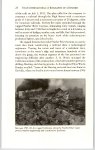
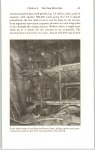
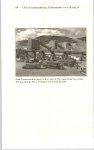
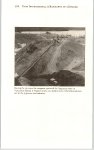
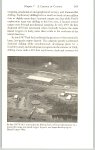
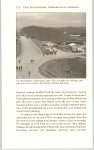
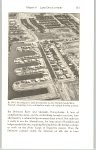
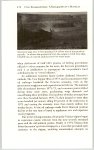
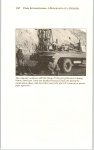
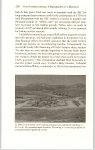
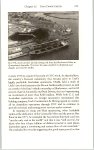
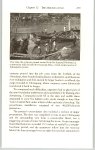
Show UrtraAH INTERNATIONAL: A BIOGRAPHY OF A BUSINESS 128 Utah Construction’s plans for Bay Farm Island, however, encountered a series of obstacles—intense public resistance, Oakland’s intended condemnation of the land for its airport extension, the delay of the Southern Crossing bridge, a lack of return on Utah’s previous investment in the project, and the return of high interest rates in the mid-1960s. Out of patience, Utah diverted its attention to other nearby development opportunities. In December 1954, Utah acquired 150 acres of South Shore property not far from its Bay Farm holdings. Shortly afterwards, company executives and the board determined to take the lead in dredging for land development in the Bay Area. On tap was a bold proposal to fill the tideland around and along the shoreline near Alameda, a densely populated community of 70,000. Eventually, Utah’s giant machines would deposit on a new coastline some thirty-six million cubic yards of material from the bottom of the bay—enough sand to fill a cylindrical hole one thousand feet across and one thousand feet deep. That would not happen, however, until after local opposition to the project threatened to scuttle it before it could get underway. A few old-time residents of Alameda who were markedly unhappy with the prospects of radical change in the topography organized a campaign to stop the undertaking. Ironically, their slogan—“Alameda is old, Alameda is tired, Alameda is ugly, but I love Alameda just as it is’—helped convince a majority of the residents to favor the development. As the referendum approached in late spring, the Alameda Times Star editorialized on May 20, 1953: Young people—our sons and daughters reaching maturity and getting married—are leaving the city to establish their homes in new modern districts. Why? Because a selfappointed few refuse to accept what comes—and fight change. They want the city just as it is, old, tired, and decaying, a community in which 61 percent of the homes were built before World War I, or worse still, 83 percent spell other percentages and These 1929. before obsolescence, and youth wants no part of it. Happily for Utah, pro-development forces waged an intense |