| OCR Text |
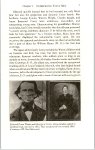
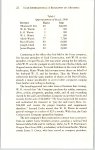
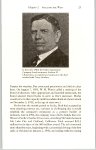
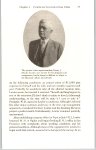
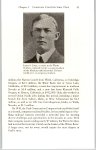
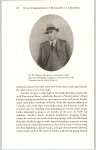
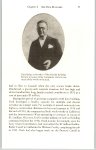
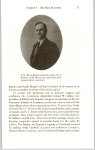
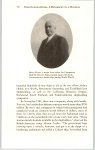
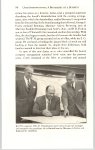
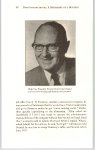
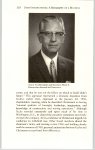
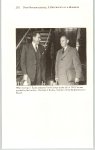
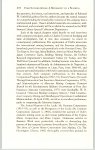
Show 16 UTAH INTERNATIONAL: A BIOGRAPHY OF A BUSINESS Ultimately, Corey Brothers filed for bankruptcy as a business, with attendant personal liabilities placed squarely upon the Corey and Wattis partners, according to the two-thirds/one-third agreement. Inasmuch as Corey Brothers had reached the bank’s lending limit of $50,000 but still needed money, the bank forced the firm to reorganize. Receivers transferred the assets of the defunct Corey and Wattis partnership {about $7,000 in miscellaneous equipment) to a new company, incorporated as Corey Brothers Company, on November 6, 1895, with officers and shareholders as follows: President Thomas Duncombe Dee (10 percent), Vice President and General Manager W. H. Wattis (1 percent), Secretary and Treasurer James Pingree (10 percent), David Eccles (36 percent), Julia (Mrs. Warren W.) Corey (31 percent), Warren W. Corey (1 percent), Amos B. Corey (1 percent), and Joseph Clark (10 percent). That momentous reorganization brought Ogden bankers and entrepreneurs Thomas D. Dee and David Eccles into direct partnership with the Wattis brothers for the first time. It would mark the beginning of a long and fruitful relationship among those men that would stretch across generations and into the next century. The new shareholders all represented the First National Bank of Ogden, the predecessor organization of First Security Corporation (recently merged with Wells Fargo). Eccles was president of the bank, Dee vice president of the board, James Pingree cashier, and Joseph Clark a director and member of the executive committee. A noted industrialist, Eccles had wanted to purchase a share of the Corey equity earlier, but apparently met resistance from Warren W. Corey, a rebuff that possibly heightened the banker’s resolve to obtain stock in the company. Dee was born in Llanelly, Carmarthenshire, South Wales, on November 10, 1844. His parents converted to Mormonism twelve years later and relocated to Ogden, Utah, in 1860 when Thomas was sixteen. His father was a prominent merchant; and Thomas, who had apprenticed in Wales as a carpenter, was soon constructing residences and commercial buildings. At age thirtytwo, he joined with David Eccles, twenty-seven, Hiram H. Spencer, twenty-four, and others to start many businesses ranging from sugar and shoes to bricks and banking. |