| OCR Text |
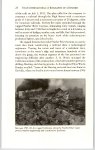
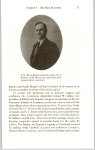
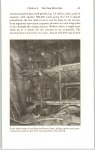
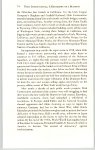
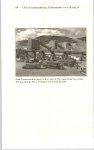
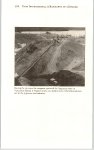
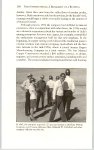
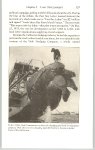
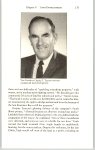
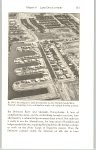
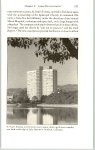
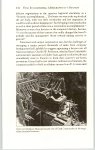
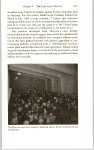
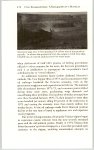
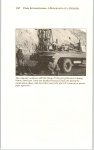
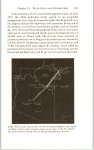
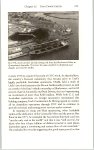
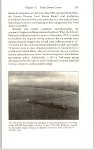
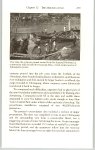
Show 130 UTAH INTERNATIONAL: A BIOGRAPHY OF A BUSINESS subsidiary of the Utah Construction Company. Unwilling to use antiquated local dredges, the firm decided to build its own modern machine. Of custom design and with a price tag of $2.7 million, the Franciscan sported state-of-the-art technology, including a discharge line that pumped longer distances at greater capacities than any existing dredge in the area. Completed in November 1955, it moved into the bay as the largest hydraulic dredge on the West Coast, equal to any other in the United States. The massive machine took less than a year to dredge the bay floor fifty feet below the surface and transfer the fill onto the reclamation area. In some months, the dredge placed more than a million cubic yards of fill. When the project’s first phase ended, the Franciscan had converted an expanse of wetlands into sixty-eight choice acres of commercially zoned property and 308 acres of highly desirable residential land. Nevertheless, work on the Bay Farm Island project slowed due to political resistance, primarily from environmentalists and Alameda landowners unhappy about losing the shoreline in front of their properties. This, plus a lagging real estate market, prompted the company to find other jobs for the Franciscan. Utah executives readily defended the Alameda project as benefitting local communities. Charles T. Travers, Utah’s manager of commercial land development and vice president of South Shore Center, saw the Alameda enterprise as wholly successful. In a 1964 Utah Report, Travers wrote that the South Shore area now contained nearly one thousand homes and twenty-two hundred apartment units in developments that often featured swimming pools and recreation areas. He argued that a shopping center built on the reclaimed land allowed nearby residents to park and shop with ease. He persuasively described the former tidelands at low tide as nothing more than “ugly mudflats” with “a very unpleasant odor,” while the company had constructed a public beach. “Where no one could have used the mudflats before,” he wrote, “now literally thousands of people from Alameda and from other parts of the bay area come ... to enjoy it throughout the summer and it provides healthful and relaxing weekend recreation for a great many citizens.” The company created nearly half of the accessible public beaches in the Bay Area, he claimed, plus a large lagoon, |