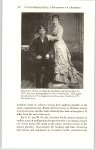
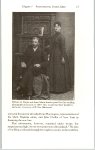
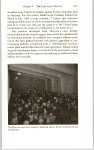
| OCR Text |
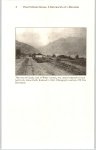
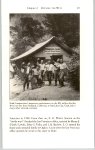
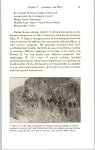
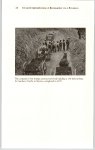
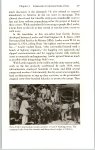
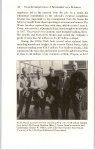
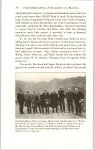
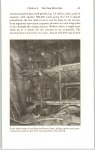
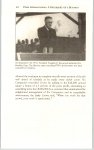
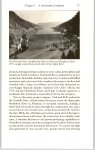
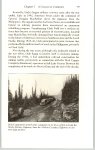
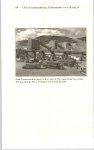
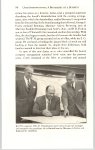
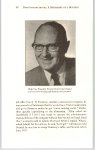
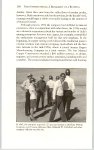
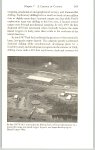
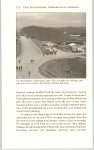
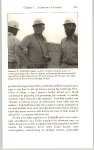
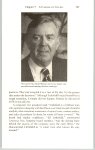
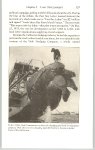
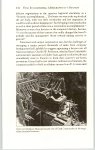
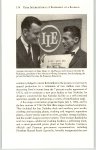
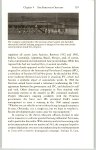
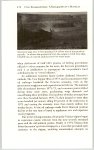
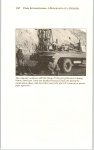
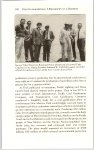
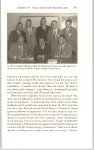
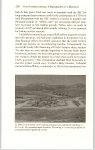
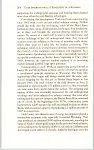
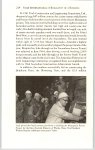
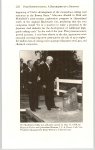
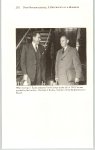
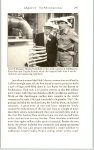
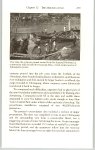
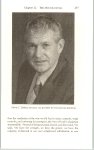
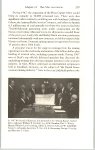
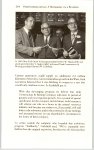
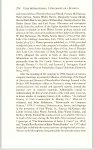
Show 54 UTAH INTERNATIONAL: A BIOGRAPHY OF A BUSINESS Sparks Harrell Company. Covering some hundred square miles, the ranch raised more than 100,000 head of cattle. In purchasing the land, Eccles incorporated Vineyard Land and Cattle Company, with himself as chief shareholder; the Utah Construction board essentially comprised the other shareholders. Vineyard continued to acquire land in Nevada and Idaho, and while the ranching operation made little money, it provided a form of financial diversification that could provide ready cash. W. H. was not the only Utah Construction leader to favor selling land to finance the Hoover project. At that point, however, Marriner S. Eccles (a son of David Eccles and now a forty-year-old financier) urged Utah executives, by letter and in a personal visit, to find additional partners. After further assurances from E. O. Wattis, Harry Morrison, and Hank Lawler that the scheme felt good to them, W. H. relented. “All right, boys,” he agreed, “Utah will go in.” Tentatively, Morrison had begun lining up other partners. He figured the combine would need $5 million, of which Utah would EES a ote SSE sk ti, oe “PAS ee Normal Gallison, Henry J. Lawler, Brig Young, Charles Shea, E. Elwood Mead, Frank Crowe, R. F. Walters, and W. A. Bechtel line up at the Hoover site. Young, Mead, and Walters represented the Bureau of Reclamation, Crowe was project superintendent, and the others were officials of Six Companies. |