| OCR Text |
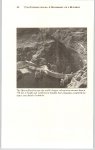
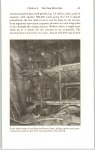
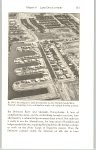
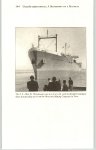
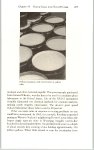
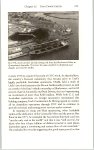
Show Chapter 7 A CHANGE OF COURSE 1] height of the Empire State Building. When mining operations terminated, Utah planned to fill the pit with water, creating a lake. As a guarantee that it would carry out its proposed reclamation plans for the area, the firm posted a $110,000 bond with British Columbia’s minister of mines. In the meantime, Island Copper produced enormous quantities of copper and other nonferrous metal ore efficiently and profitably. According to its production plans, the ore moved from the pit to the mill, where crushing and screening isolated a copper-molybdenum concentrate. This concentrate was then separated and stockpiled for shipment. The copper concentrate was stored in a large building with a capacity of 30,000 tons, while molybdenite concentrate was loaded into steel drums for shipment. Island Copper’s molybdenum contained a significant quantity of rhenium, a rare metal with unique physical and chemical properties useful in electronic and bimetallic catalytic applications. The concentrate also contained significant amounts of gold and silver. In 1973 alone, Island Copper recovered and shipped approximately 44,000 ounces of gold, enough to offset nearly a fourth of the original cost of the mine and mill facility. Inasmuch as the Island Copper Mine and Mill were situated on an inlet, vessels of up to 40,000 dead weight tons could load with ease at the wharf, although vessel size ultimately depended upon the width of the narrow channel linking Rupert Inlet with the Pacific Ocean. As for the concentrate’s destination, Utah procured two long-term contracts for sale of the copper concentrate. The first was with Mitsubishi Corporation of Japan, which covered fully onethird of the mine’s production before the contract expired in 1976. A second contract with Mitsui Mining and Smelting Company, Ltd., of Japan covered the remaining two-thirds until 1981. The contracts linked prices to quotations on the London Metal Exchange and gave Utah the option of offering up to 16 percent of the product to other customers. The molybdenum output of the Island Copper Mine was sold on short-term contracts. The rhenium content was sold, either to molybdenum buyers or, after separation, to more specialized clients. The Island Copper Mine had considerable impact on the small town of Port Hardy, which had in the past depended on logging and fishing for its income. The town population of eighteen |