| OCR Text |
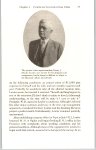
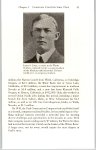
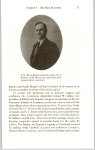
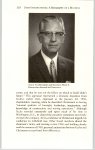
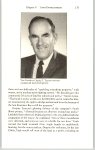
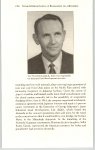
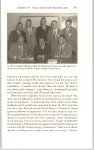
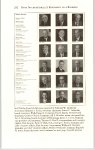
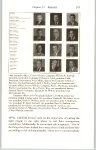
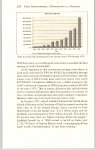
Show 258 UrAH INTERNATIONAL: A BIOGRAPHY OF A BUSINESS acceptance as the world leader for good.” It was enlightened advice, but it fell largely on deaf ears. Despite such uncertainties, Utah’s $1 billion backlog at the end of 1965 was encouraging. It included a contract with the WEST group of six companies to furnish coal for thirty-five years from the company’s Navajo Mine for fueling the expanded generating plant at the Four Corners site. In addition, Utah signed three contracts with Swiss and Swedish interests to deliver 3.2 million pounds of uranium oxide during 1967 and 1970. The backlog figure did not include forward sales by the company’s mining affiliates, Marcona and Pima. Impressively, the backlog of mineral sales had expanded from only $220 million to $1 billion in just three years. Senior management changes continued to reflect corporate expansion with Littlefield’s recommendation of W. Drew Leonard to the board at its December 1966 meeting for approval as a vice president. An eighteen-year veteran with the company, he continued his duties as corporate controller, a post he had held since 1962. During that meeting the board also paused to mourn the loss of one of its oldest members, Marriner A. Browning, a director since 1944, who died in Ogden in September. To fill Browning’s chair, Marriner Eccles announced on December 15 that the deceased’s kinsman, Val A. Browning, had been elected a director of the company. A son of inventor John Mose Browning, Val Browning was an inventor in his own right, holding forty-five patents for sporting firearms. (At the close of 1967, the board consisted of Chairman Marriner S. Eccles; Edmund W. Littlefield; Ernest C. Arbuckle; Alf E. Brandin; Val A. Browning; Lawrence T. Dee; George S. Eccles; William R. Kimball Jr.; Shepard Mitchell; and Paul L. Wattis. Littlefield was president and general manager, with Albert L. Reeves as senior vice president and Frank M. Keller as secretary. Charles E. McGraw and Alexander M. Wilson were also named senior vice presidents; Orville L. Dykstra served as financial vice president and treasurer; and there were nine vice presidents: Joseph K. Allen; John S. Anderson; Weston Bourret; Wayne S. Byrne; William E. Chamberlain; Jr., Edwin DeMoss; W. Drew Leonard; Guy V. Sperry; and Charles T. Travers. The executive committee consisted of Eccles, Littlefield, and Reeves.) |