| OCR Text |
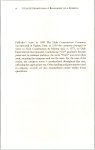
Show 266 UTAH INTERNATIONAL: A BIOGRAPHY OF A BUSINESS That same month, Utah capped another long change in its identity by selling its construction business to Fluor Utah Engineers and Constructors, Inc., effective April 30, for $14 million plus a percentage of sales over three years. Not included in the transaction were dredging assets, sand and gravel, certain joint ventures, and Utah’s interest in the Haas and Haynie Corporation. The company gain of $1.8 million helped boost total corporate net income to a new record of $28.7 million. Although this development seemed counter to its own historic raison d’étre, Utah had sound reasons for the sale, among them shrinking construction profits in the face of a colossal expansion in mining. “It was critically important that we sell the construction division when we were headed into this really heavy expansion program of our mining assets,” Littlefield explained, “because we couldn’t afford the risk to our cash flow that was inherent in the unpredictability of the construction business.” Thoughts of selling Utah’s construction assets first arose in the early forties when many of the shareholders were understandably disgruntled with the lackluster progress of the company. When the transaction materialized twenty-five years later, it followed the opposite logic—the company had become astoundingly successful, although along a different path. Quite simply, heavy construction had become an albatross about the neck of mineral development. Over the years, Littlefield had increased construction profits by gradually changing the kinds of construction projects the company would and would not undertake. He believed that part of the problem was that “construction people love to build big, challenging jobs. They don’t care whether they make money, but they love to build.” Management’s job, on the other hand, was “to concentrate on making money.” Littlefield noted in the late 1960s that the company had not made any money on building dams in more than ten years “even though we thought we were the greatest dam builders around.” Astutely, Littlefield recommended selling the construction side of the company only after it reached its highest level of profitability. The board held mixed views. While Littlefield’s figures were uncontested, an intangible weighed significantly—pride that the company had been in _ heavy construction since the early 1900s. Furthermore, the construction |