| OCR Text |
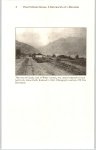
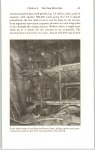
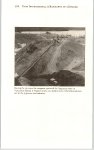
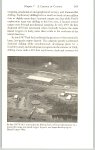
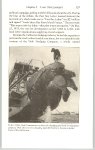
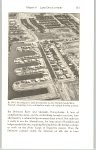
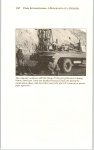
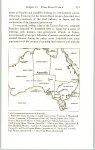
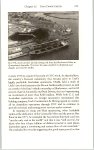
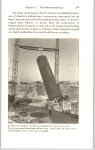
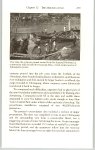
Show 226 UTAH INTERNATIONAL: A BIOGRAPHY OF A BUSINESS a fourteen-foot clearance for occasional floods but also made allowances for the bridge to remain operable even during a rare deluge that might see more than half the region’s annual rainfall come in one twenty-four-hour period. Worse than this happened, as a matter of fact, on January 26, 1967, when a low-pressure system dumped fifteen inches of rain in a single day on northwestern Australia, which usually gets only eleven inches in a whole year. Due to the area’s aridity, the railroad also required (in addition to flatcars and boxcars) three 15,000-gallon tankers to carry water to Mount Goldsworthy and Finucane Island, inasmuch as the total freshwater supply for the mine and the port came from the DeGrey River bore-hole complex. Upon arrival at a discharge point, the trains dumped their ore into 65-by-12-foot hoppers below the tracks for deposit either into a stockpile or directly onto a vessel. Stockpiles usually grew to the height of a five-story building with some 200,000 tons of ore, loadable at a rate of sixteen hundred tons an hour. Supported at the docks on trestles, the cyclone-resistant ship loader used a four-foot belt to move the product from the stockpile conveyers onto the vessels. One operator controlled not only the movement of the loader itself but also the flow of ore from the stockpiles. More important than all of this activity were human considerations. The company gave priority not only to effective and safe work stations but also to comfortable living accommodations. MGMaA constructed its workshops and executive/administrative centers at Mount Goldsworthy and located its main supply point on Finucane Island with a 280,000-gallon fuel storage tank to supply offshore office and residential needs. Power stations at Goldsworthy and Finucane provided electricity for both the project and townships. Comfortable housing went up, along with a social club, swimming pool, shop, medical center, and a small school for the primary grades. Older children attended the state high school at Port Hedland, where there was also a hospital and a Royal Flying Doctor service. Because of harbor development delays, most of the 1966 shipping had to go out on relatively light-draft vessels; the average cargo taken out of Port Hedland that year weighed only 30,000 tons, causing a significant increase in MGMA’s projected shipping |