| OCR Text |
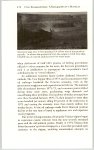
Show 168 UTAH INTERNATIONAL: A BIOGRAPHY OF A BUSINESS Although thus fairly secure in its outlook in Peru, Marcona continued to hedge its bets with ongoing diversification. A longterm contract with Midland-Ross, for example, gave Marcona access to Oregon Steel Mills in Portland. Also, after a year’s testing proved favorable, the company formally launched its New Zealand mining project in cooperation with a syndicate called the Todd Group, in which Marcona held 75 percent of the equity. Elsewhere, the Alaskan iron ore range at Snettisham revealed a potential reserve of one indicated billion tons, while tests at Kudremukh, an even greater reserve. To manage India, this expanding empire, new corporate components merged in 1969. For the New Zealand project, the company incorporated a subsidiary in Nevada called Marcona Development Inc.-New Zealand. In Liberia, it incorporated three new wholly owned shipping subsidiaries called San Juan Vanguard Corporation, San Juan Venturer Corporation, and San Juan Voyager Corporation. In the meantime, on-line operations for Marcona approached record levels, as overall revenues of more than $200 million generated net profits of $21 million in 1969, especially impressive in light of Peru’s high taxes and royalty rates. Marcona Mining earned more than $8 million from a production high of 9.4 million tons. Shipping accounted for more than half of the company’s earnings, with a net of $11.8 million from transporting nine million tons of Peruvian ore and a record four million tons of other contracted products. Significant trends included the fact that one-third of the iron ore Marcona sold came from outside Peru. Also, shipping income, the key source of profits, derived more than 40 percent of its business from hauling non-Peruvian cargoes. Unfortunately, while all of this positive news came from Marcona’s ledgers, and while the company took heart in feeling no pressure from the Velasco regime, it turned out that the reason for the latter centered less around the dictator’s positive feelings for Marcona than around his consolidation of power in Lima. Common to most unstable polities across the less-developed world is the willingness of the military to intervene whenever it sees the normal operation of “democracy” failing to promote “progress.” By the end of the 1960s, nearly every country in Latin America had succumbed to military juntas at one time or another. Some of those |