| OCR Text |
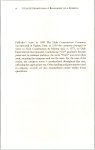
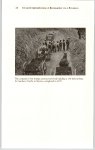
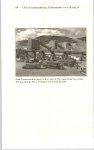
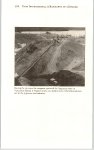
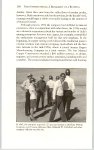
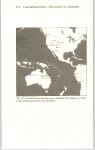
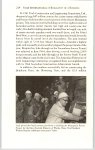
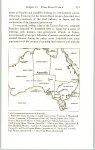
Show 220 UTAH INTERNATIONAL: A BIOGRAPHY OF A BUSINESS encouraging reception he received. He had no doubts that the Japanese market was ready for Utah’s Queensland coal. The discovery at Taurus spurred further testing in adjacent areas. In October the team reported: “Upper Permian coal measures along the western limb of the Bowen syncline ... extend continuously as far north as Goonyella,” which lay 135 air miles to the north of Blackwater township. Realizing the exploration in Queensland represented “the most significant discovery of metallurgical coal certainly in this century and is one of the really major discoveries of mineral deposits that has ever been made,” Littlefield ordered the studies accelerated. Based on those results, company executives decided in 1964 to develop the Blackwater Mine fully, and they leased some 33,457 acres from the Queensland government. The contract called for mining rights lasting twentyone years, with the option to renew. Six years later, a second lease increased the acreage under contract to $1,770 acres. Ellett and his men worked arduously long hours, which they bore with good humor. In his first report to Utah’s board, for instance, Ellett inserted a picture of three young people running into the Australian surf, calling them examples of “the country’s natural resources.” The field men also delighted during those early days in playing practical jokes on visiting officials from company headquarters. They housed one VIP in the Blackwater Pub in a onewindow room over an old gas generator. “It was not that we did not like him,” mused Ellett, “but ... [we] thought it would be helpful if those with ‘cushy’ jobs in San Francisco experienced some of the discomforts of the field men!” Meanwhile, across the continent at Mount Goldsworthy, eight hundred air miles northeast of Perth, surface geological mapping and sampling, along with some geophysical test work, had begun in May 1962. Positioning their bits so that they would strike the main ore bodies at right angles, drillers sank twelve shafts totaling some four thousand feet combined. They also bored several other test holes to allow bulk sampling deep underground, in addition to more than two hundred percussion holes that reached a maximum depth of 220 feet from which geologists examined chips and dust. Four adits (an almost horizontal passageway into a mine) required twenty-three hundred feet of tunneling. To figure the extent of the |