| OCR Text |
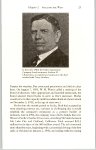
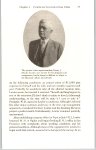
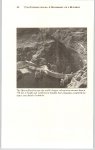
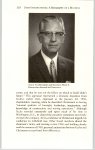
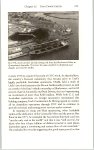
Show CHAPTER 5 A Changing Company in a Changing World ae AS THE HUGE DYNAMOS of Hoover Dam began to whir in the late 1930s, changes of massive proportions were sweeping the nation and the rest of industrialized world. The Great Depression, in spite of the New Deal’s stop-gap remedies, affected virtually every family in the United States. A new president took office in 1933 determined to use federal power to alleviate the suffering of millions of Americans. Franklin D. Roosevelt hoped that a huge expansion of the national government and massive spending programs would restore confidence in the democraticcapitalist system. To do this, his men had to devise countless new ways for the government to spend money on public projects, which would have the concomitant effect of bettering people’s lives. In the midst of all this historic drama, swift change also visited the Utah Construction Company, bereft of all of its founders. Some familiar surnames remained at the top of the company roster as a second generation of corporate leadership guided the enterprise into the rapidly evolving environment of the 1930-40s. For decades, W. H. Wattis, E. O. Wattis, Andrew H. Christensen, and Henry J. Lawler “really ran the company,” according to E. O.’s grandson, Edmund Wattis Littlefield. “They were the ‘know-how’ management.” By 1935, all were gone, “and they really had not provided for any management succession.” Two of W. H.’s daughters, Estella Hope Wattis Bowman and Mary Jane Wattis Brown, nevertheless told Marriner 65 S. Eccles that it was their |