| OCR Text |
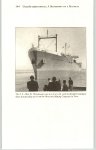
Show 102 Urau INTERNATIONAL: A BIOGRAPHY OF A BUSINESS The principal customer of the Iron Springs Mine was the U.S. Steel plant at Orem, Utah; but the Japanese were desperately in need of importing iron ore, and Allen found out through Ted Takahashi [a sales agent] that our surplus production of ore from Cedar City could be shipped to the Japanese at a price profitable to Utah. This was also the intended market for the ore from Argonaut. Originally, Utah passed title to the ore at Long Beach, but Allen learned that there was a profit to be made in ocean shipping since the Japanese were really only interested in the delivered cost at final destinations. Consequently, Utah considered chartering its own fleet of ships to give us some flexibility over where the overall profit in the transaction was reflected. For instance, part of the profit could be allocated to a Panamanian company where it would not be taxed until it was ultimately repatriated to the United States. Although the Utah Construction Company enjoyed limited prosperity in the first few years of the 1950s, senior management realized that the company persistently lost money on various construction projects, even though it was making enough profit on its mining ventures that income was breaking records. Still, the board, except for members of the executive committee, remained unconvinced that mining should become the company’s principal business and grew disenchanted with management, even skeptical of its ability to identify and manage mines properly. Despite the success of the Cedar City mine, Littlefield recalled, the board emphasized that “the record of the company at the Ozark-Philpott mine ... was one of vastly over-running the investment originally contemplated and under-earning the profits promised. But, worse, Argonaut in British Columbia had really been a disaster.” Littlefield’s assessment of Argonaut was that “we relied almost exclusively on construction personnel to handle the mining venture” when specialists in mining management were really what the job demanded. He admits that “it took longer than perhaps it should have to recognize the need for company mining people.” Littlefield often said in speeches, “Little mines are more trouble to run than big ones. The last thing you want in a mine is used |