| OCR Text |
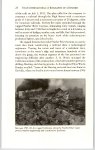
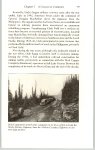
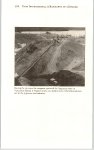
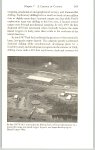
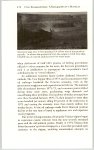
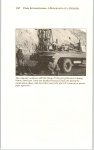
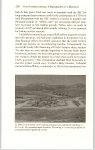
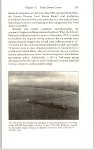
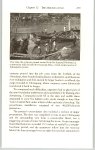
Show 194. UTAH INTERNATIONAL: A BIOGRAPHY OF A BUSINESS the coal beneath, miners moved the overburden into the strip left from the previous cut. Each cut, however, became deeper as the coal seams dipped, creating a visual image of despoliation that was an easy target of environmentalists. As early as 1966, four years after mining operations began at Navajo, Utah began an expensive regrading and leveling program. Studies showed that an undulating topography would resist water and wind erosion more effectively than a flat surface, so graders plowed fly-ash waste into artificial ridges. In the meantime, researchers established test plots in which they planted sixty types of seeds for study, including many plants native to the area. Their work produced fast-germinating, shortlived plants for immediate erosion control and others that showed winter hardiness as well as tolerance to drought and salt. Only one non-native plant proved itself suitable for the project. Utah took considerable pride in its reclamation efforts in the Four Corners region, having brought the Navajo Mine full circle. Indeed, the costly effort was emblematic of the whole enterprise. The company had removed a coal product many thought unusable or inaccessible, provided low-cost energy to the growing Southwest, offered employment to many, gave the Navajo people financial return for the use of their land, and then returned the land as nearly as possible to nature and to future generations. In addition, Utah leaders took pride in their sensitivity toward archaeological ruins, their long negotiations and friendly relations with tribal leaders, their donations to promote education and training, and their efforts to improve community resources. In addition to going after coal in the energy resources business, Utah also toyed with petroleum exploration. In 1953 Utah invested $100,000 in a joint venture group, Petroleum Development, Ltd., to search for oil and to drill exploratory wells. Within two years, however, the company had decided to stay with mining basic minerals, such as phosphate, uranium, and coking coal, the removal of which better fit Utah’s earthmoving skills equipment. Still, the company maintained a modest interest in petroleum, particularly in oil shale development. As early as 1957, Utah entered into a contract with the Union Oil Company to mine all of the oil shale at Union’s experimental site. At a 1962 meeting of the American Institute of Chemical |