| OCR Text |
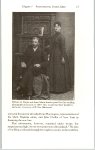
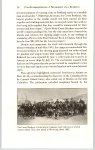
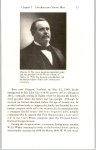
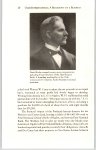
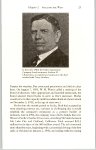
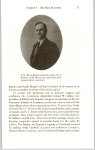
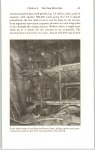
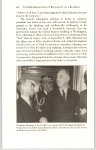
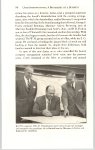
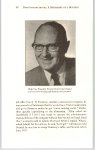
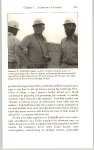
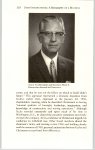
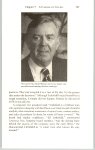
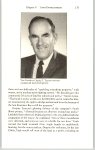
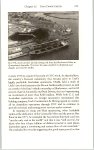
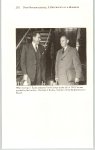
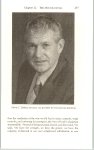
Show xviii UTAH INTERNATIONAL: A BIOGRAPHY OF A BUSINESS lower than the next lowest offer, and industry analysts predicted they would lose their shirts on the contract. In fact, through creative management and skilled workers, Six Companies realized a profit of $10.4 million or 21 percent of the bid price. During the 1930-40s, Utah Construction entered into joint agreements with many of its Six Companies partners as well as with other companies in what was undoubtedly the most dynamic period of public works enterprises in the United States to that time. The company helped construct such works as the Oakland Bay Bridge, Bonneville Dam, Grand Coolee Dam, Parker Dam, the All American Canal, the Delaware Aqueduct, and dams for the Tennessee Valley Authority. After the outbreak of World War II, Utah Construction built ships, constructed bases, fabricated docks and storage facilities, and laid down highways throughout the American West and in the Pacific Theater of Operations. Before the completion of Hoover Dam, E. O. and W. H. Wattis both died, and the company’s leadership had passed to Marriner Eccles as president and Lester S. Corey as vice president and general manager. Corey had come up through the ranks of Utah Construction, while Eccles, who joined the company’s board of directors in 1921, had engaged in a diverse range of businesses such as banking, sugar refining, and real estate development. After assuming the presidency and vice presidency in 1931, Corey became president and general manager in 1940 and Eccles became chairman of the board. Corey is virtually unknown to students of American history, but Eccles may well be the most important Utah-born business leader of the twentieth century. After Eccles and his brother, George S. Eccles, saved the predecessor of First Security Bank from failure in the early years of the Great Depression, Marriner envisioned the role of the Federal Reserve System and the national government as prime movers during such times of economic crisis. By contrast, during the depression of the early 1890s, President Grover Cleveland anticipated no role for government in economic downturns except balancing the budget. He said that although the people should support the government, the government should not support the people. Moreover, in what in retrospect seem both counter-productive and destructive policy decisions, the Federal |