| OCR Text |
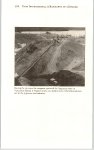
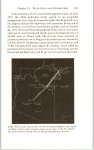
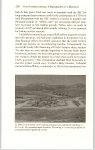
Show Chapter 7 A CHANGE OF COURSE 107 machinery; maintenance shops; a change house; a compression house; and a seven-mile, standard-gauge, ore-hauling railroad. Utah used subcontractors for certain specialty work, such as electrical installations and painting. The contract also included constructing thirty miles of railroad to transport product and supplies, two major bridges, several smaller wooden trestles, and many concrete and corrugated steel culverts. In 1957, Utah completed the initial stages of stripping for another Arizona copper mine, the Pima Mining Company near Tucson. Between 1955-57, $5.5 million in work put the open-pit mine into production. Discovered in 1950, Pima was one of the first large-base metal deposits in the western United States located through geophysical methodology, a highly technical process of measuring the physical properties of the earth’s crust. At the outset, geologists estimated that Pima had colossal reserves of some 220 million tons, extracted early on at thirty-eight hundred tons per day. Utah’s geologists and geophysicists also used advanced technology to find subterranean minerals without indications of their presence on the surface. The scientists measured one or more physical properties, such as variations in gravitational force, electrical and magnetic properties, velocity of seismic waves resulting from test shots, and radioactivity. Steady plant expansions (at a cost of $50 million by 1970) increased the mill’s total capacity to sixty-three hundred tons daily. In little more than a decade, Pima became one of the major copper producers in Arizona. In 1965, Utah acquired a quarter share of Pima, which became the Cyprus Pima Mining Company, with Cyprus holding a 50 percent interest and the Union Oil Company of California owning a quarter share. Cyprus Pima’s mining properties consisted of thirty-four patented, royalty-free mining claims on federal lands and seven mining leases from the state of Arizona, due to expire in 1990-91. The leased areas contained approximately 29 percent of the estimated reserve and required a 5 percent royalty payment to Arizona on the net value of produced minerals. During ensuing years, the Cyprus Pima Mine would remove as much as twenty million tons of ore per year. Concentrates, processed in Arizona smelters, contained 176 million pounds of copper, 900,000 ounces of silver, and 1.8 million pounds of molybdenum. Between 1964- |