| OCR Text |
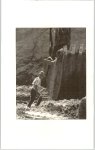
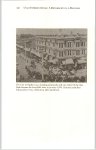
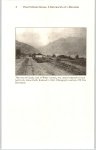
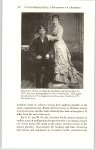
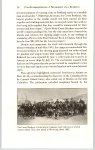
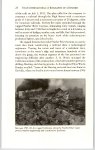
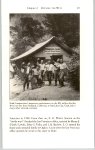
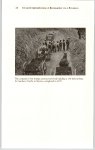
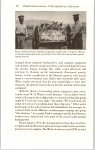
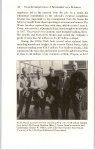
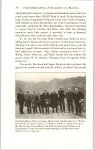
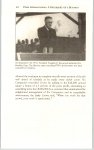
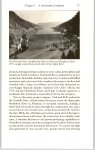
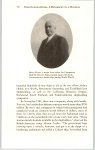
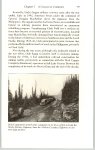
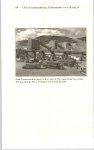
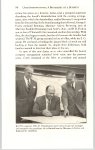
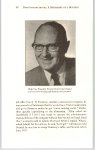
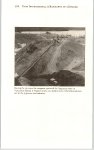
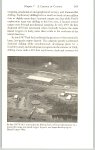
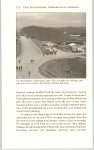
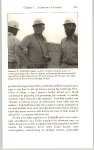
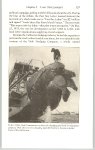
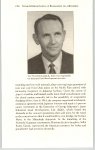
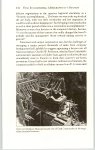
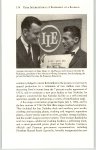
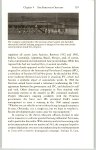
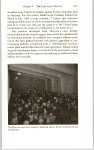
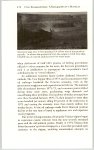
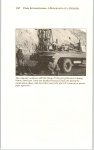
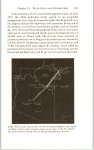
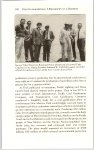
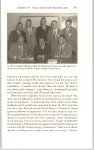
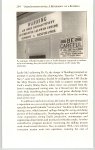
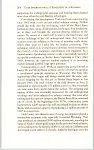
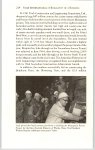
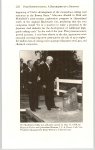
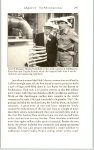
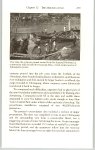
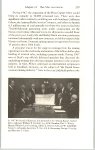
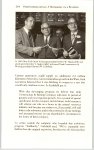
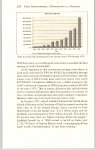
Show 4() UTAH INTERNATIONAL: A BIOGRAPHY OF A BUSINESS Due to political unrest, bandits roamed the countryside. Company officials carried pistols despite police protection from federales, shown here guarding the payroll. lounged about company headquarters, used company equipment and animals, refused to send out pickets, and burned huge fires near the powder houses. Fearing that rebels could effectively kill everyone by blowing up the conveniently illuminated powder houses, Lawler complained to the Mexican general, who merely made a counter-demand that Utah’s men surrender their guns. When Lawler promised that his men would fight to keep their weapons, the general backed down, but the strained relationship continued. With the threat of marauding rebels vexing his every move, Lawler wrote W. H. Wattis in early January. “As you know I never tried to side-step a job or a fight either no matter how hard the going might be if I was sure I was right.” He added, “We should stick, for it may not amount to anything more than a big scare.” Still, Lawler knew many of his subcontractors felt intimidated. For example, he counted thirty-seven different warehousemen coming and going “like chickens.” As a result, Utah’s managers and the few Mexican workers they trusted took over most of the crucial work around headquarters. By late January 1924, the situation grew so tense that executives in Ogden and San Francisco planned to meet with Lawler and other principals in Los Angeles. The Wattis brothers invited SPM to send |