| OCR Text |
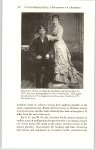
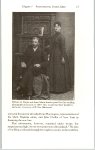
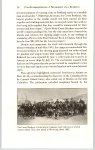
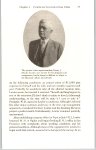
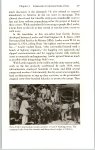
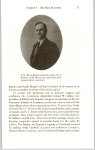
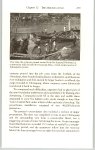
Show Chapter 1 ENTERPRISING YOUNG MEN a7 $4,200 in supplies available from the commissary in Beaver, Alberta. To collect the supplies, E. O. slogged the twenty-two miles to Beaver through deep and still-falling snow. Unable to find a hotel in Mountain Creek, he bedded down on a billiard table in a saloon. Once he reached Beaver, he gathered the supplies and resold them to other contractors for the full $4,200. Notwithstanding these hardships, the Wattis brothers joined in the formal organization of Corey Brothers, Inc., a railroad contracting firm, in the spring of 1886. The two sets of brothers capitalized the company for $6,000, with $3,000 coming from each family. The Corey uncles, however, received two-thirds of the equity while the Wattis nephews received one-third, presumably reflecting the men’s proportionate experience in the construction business, or perhaps resulting merely from the numbers of participating brothers in each family. On January 9, 1888, W. H. Wattis wed Anna Maria Dortia Sophia Hansen Stander, and they became the parents of three daughters and a son. Now that both E. O. and W. H. were married, they assumed their usual fifty-fifty partnership would prevail with their wives, and so the couples used a common checking account. Inevitably one or another of the four would dispense more funds than someone else, causing the checkbook to fall out of balance; and so, before long, the brothers separated their private incomes. Over the next several years, the Wattis partnership with the Coreys evolved as several Corey brothers left and sons replaced them. Meanwhile, a number of contracts kept the principals busy well into the closing decade of the century. Major projects included construction on the Colorado Midland Railroad near Glenwood Springs, Colorado; a Union Pacific job on the North Platte River in Wyoming; the B. and M. Railroad in Cheyenne; the Bear River Canal in Utah’s Box Elder County; two Denver & Rio Grande contracts in Colorado; and a Great Northern Railway job near Kalispell, Montana. These experiences led to an agreement in 1893 with John C. Sheehan, president of the Portland Astoria Railroad Company, to grade, place the ballast, and lay track on one hundred miles of railroad bed in Oregon between Portland and Astoria. At the time, many believed that this project would boost Astoria into position as one of the world’s outstanding cities. Colonel Pat |