| OCR Text |
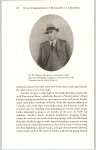
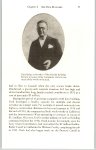
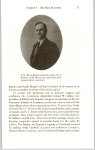
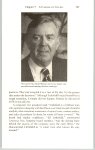
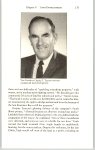
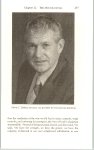
Show REINVIGORATING MANAGEMENT 97 Stronck was told that, at the end of 1951, Billy Harris would resign as secretary and Stronck would take his position. This was not a happy solution for him, and that was understandably the cause of his dissatisfaction over staying with the company. The sixty-year-old Stronck, despite the appearance of a promotion, was actually losing his powerful financial function to the newcomer, Littlefield. Consequently, when Stronck received a OS It was understood that I reported directly to the board of directors and not to Allen Christensen who was executive vice president and general manager. This was not an arrangement that could have pleased Allen Christensen, but the board had given him no choice. I was the one who recognized that this had to be an unsatisfactory situation in the long term, and that I should make every effort to convince Allen that I could and would work with him as if I were responsible to him. Naturally, he was suspicious in the beginning; but before too long, he realized that I could be useful to him in helping him become more effective in obtaining the backing of the board for what he was trying to do. I was careful to go through him and not to go around him—and it paid dividends. The person that was in fact demoted when I came on the scene was H. N. (Bert) Stronck, who had functioned as the financial vice president and treasurer. He was advised that he had to report to me as did the chief purchasing agent, the director of personnel, and the company’s chief legal counsel, at least on the organization chart. John M. (Johnny) Horrigan was controller and technically reported to Stronck. My uncle William H. Harris had the title of secretary; but Stronck, as assistant secretary, did the work. EE practices learned during previous experiences, such as a funds flow analysis. As it turned out, however, reporting directly to the board as financial vice president and treasurer placed Littlefield in an awkward position. SFE Se Ee ere a eee Oe Chapter 6 |