| OCR Text |
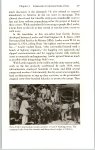
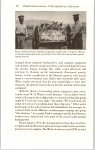
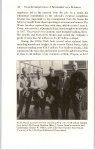
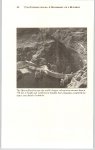
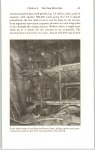
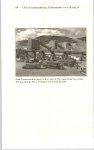
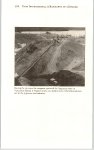
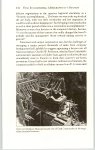
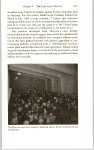
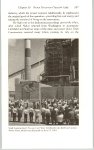
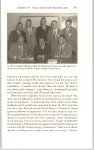
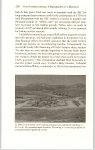
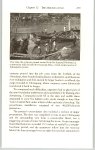
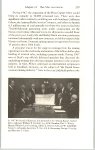
Show 188 UvanH INTERNATIONAL: A BIOGRAPHY OF A BUSINESS reservation and its participation in the continuing success of free enterprise. The laudatory comments were not just talk. A number of significant economic benefits were coming to the Navajo people. Lease payments for the plant site amounted to $116,238 per year, while coal royalties eventually added another $1,235,000 annually. Additionally the three-year mine and plant construction project created jobs for about one hundred Navajos, with permanent jobs for twice that many at the mine and another two dozen at the power plant. To maintain the positive public-relations momentum that the dedication generated, the Navajo Mine staff put together an impressive exhibit for the 1964 Navajo Nation Fair, including a slide presentation and demonstrations, telling about mine operations and the relationship between the mine and the Navajo community. Stressing the company’s concern for environmental quality, the exhibit displayed plans for reseeding and reclaiming the project area. Employees also demonstrated safety equipment and procedures. For the main attraction, a working model of a stripping dragline (similar to the Marion 7900) imitated removing overburden even as a scale model of the power plant, prepared by Arizona Public Service, hissed steam nearby. In the months following, the project continued to prosper. Although Utah was not directly involved in the process, the power plant became the first to employ computers to determine the best tower sites and designs for transmission lines, an innovation that saved APS almost $1 million. At a cost of more than $43 million, its line to Phoenix became the longest at such voltage in the country and the only line of that voltage carrying steam-generated energy. As Utah Construction’s operation at Navajo continued to grow, so did the generating capacity of the Four Corners plant. In 1965 the mining lease expanded to include an additional 150 million tons of coal under 6,547 new acres, bringing the total leasehold to an area equivalent in size to that of Bryce Canyon National Park. Because some of this new territory contained rich archaeological sites, the expansion agreement included provisions for archaeologists to investigate newly opened sites before mining disturbed them. An extensive archaeological survey resulted in a number of significant discoveries, including one at Cross Canyon, where |